
On a Saturday morning in East Legon, hundreds of people who spend their weekdays writing code, designing products, managing software teams and building startups gathered on a football pitch.
They came wearing jerseys instead of company T-shirts. Developers tackled designers. Product managers celebrated goals with engineers. Startup founders argued over offside decisions rather than fundraising strategies.
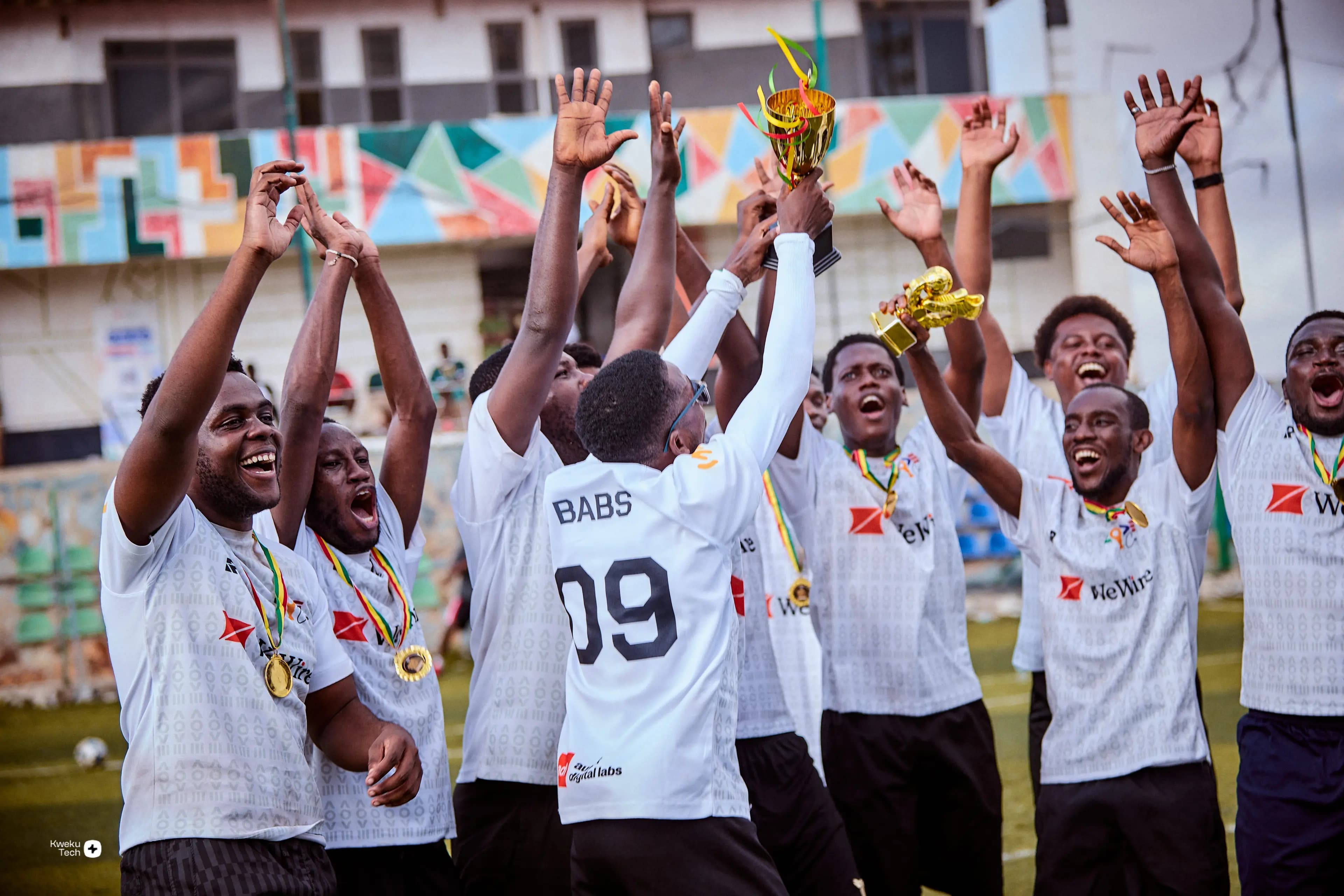
By the end of the day, the Other Techies team had lifted the trophy. Ekow had been named the tournament's Most Valuable Player after scoring twice. Medals had been awarded for everything from football to sack races. A fintech had quietly introduced users to its newest product. Participants had undergone health screenings. New friendships had been formed.
On paper, these seem like unrelated activities. Viewed together, they tell a more important story.
CodeCup was not simply a football tournament. It was a portrait of an ecosystem that has stopped waiting for institutions to arrive—and has begun building them itself. That is perhaps the most important lesson from this year's event.
More Than a Day on the Pitch
Organised by Code and Cocktails, CodeCup brought together Ghana's technology community for a day that blended football, gaming, networking and community activities.
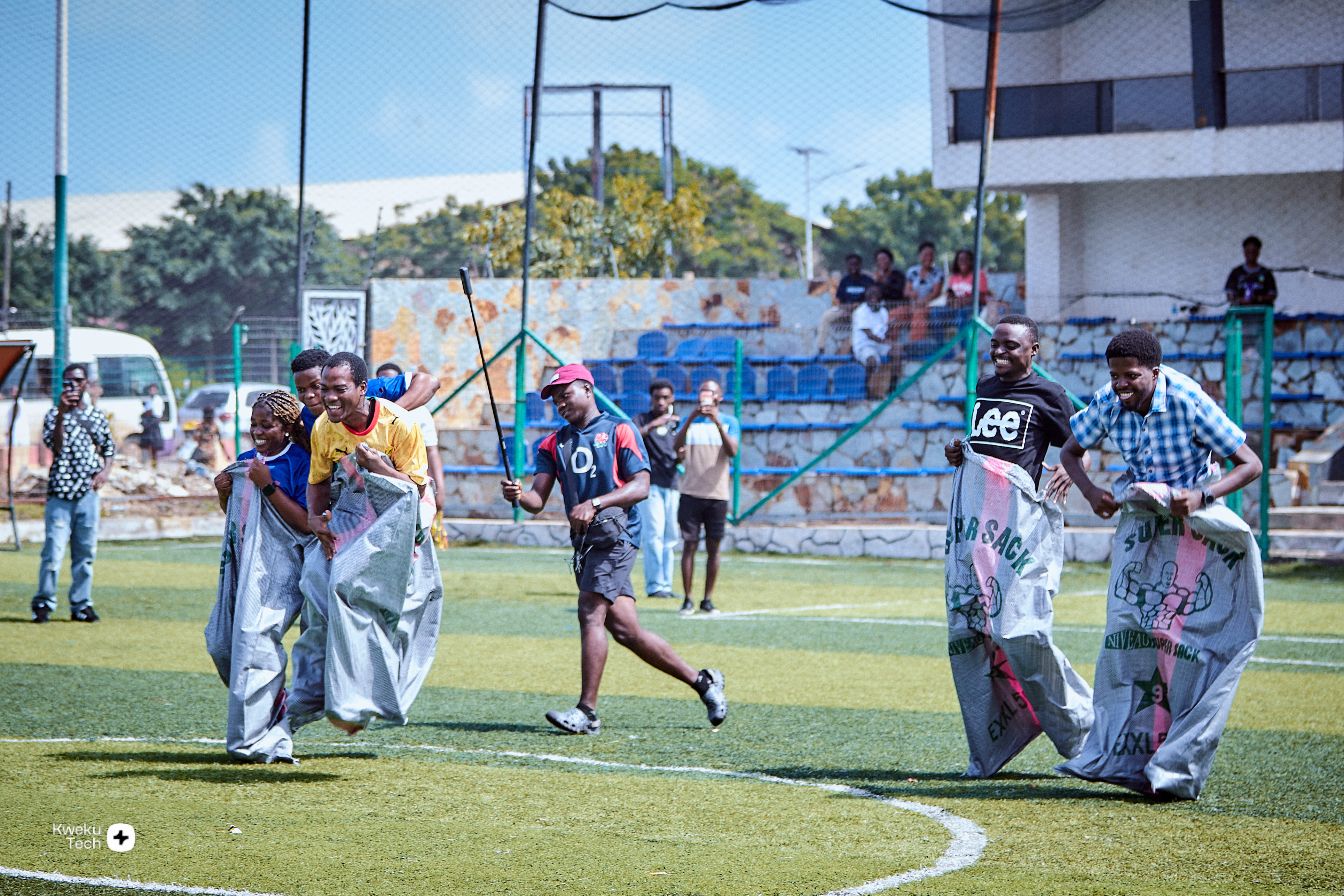
The football tournament culminated in victory for Other Techies, who defeated the Product/QA team in the final. Alongside the matches, attendees participated in a 100-metre sprint, tug of war, sack race and lime-and-spoon race, while LYNS Gaming hosted an e-gaming tournament that kept activity going beyond the football field.
Meanwhile, fintech company Wewire used the gathering to launch beta access to its consumer application, allowing members of the community to experience the product firsthand.
For Sedem, Event Lead at Code and Cocktails, that blend of activities was intentional.
"CodeCup is more than just football. It's about creating a space where people in Ghana's tech ecosystem can connect, collaborate and build meaningful relationships beyond work."
These moments made for an entertaining day. Together, they also revealed something deeper.
CodeCup was simultaneously a sporting event, a networking platform, a product testing environment and a community gathering. None of those functions were planned in isolation. They emerged because the people who needed them were already in the same place.
That is how ecosystems mature.
When Community Becomes Infrastructure
Technology ecosystems are often measured by visible outputs. Funding. Startups. Acquisitions. New products.
But beneath each of those is an invisible layer that rarely appears in headlines: relationships. Every founder depends on trusted collaborators. Every startup eventually needs talent. Every partnership begins with a conversation. Those conversations cannot be manufactured on command. They emerge where people meet repeatedly, without the immediate pressure of pitching, hiring or fundraising.
That is what made CodeCup different.
Unlike a demo day or investor showcase, there was no stage dividing speakers from listeners, founders from recruits or investors from entrepreneurs. The football pitch flattened those distinctions. For ninety minutes, job titles mattered less than teamwork.
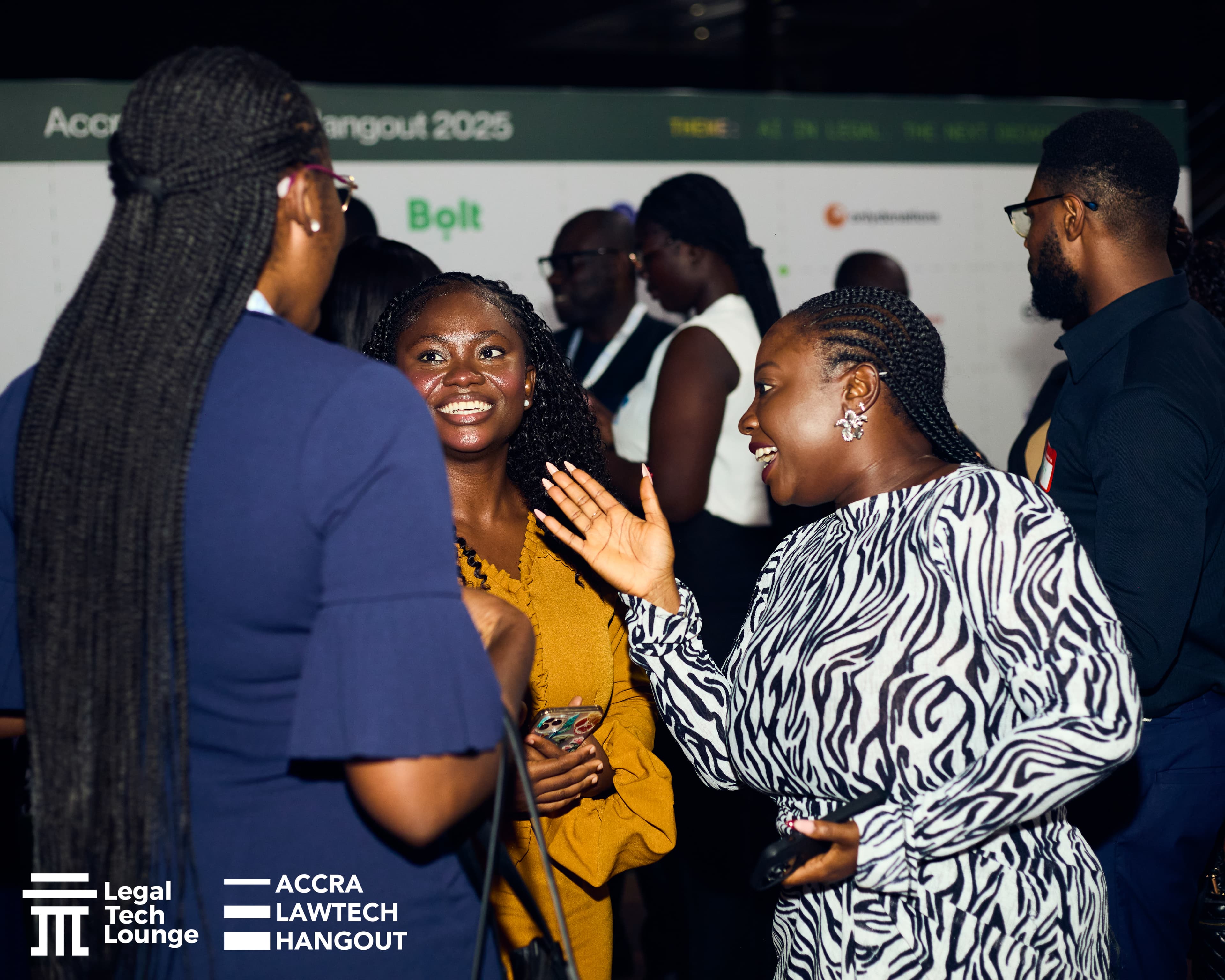
As Rachael, Founder and Managing Partner at Author Digital Labs, observed during the event:
"It's not always about sitting by your laptop and coding the next best thing. Sometimes it's about coming out and meeting other people and making connections and finding your next project."
Her words capture something many ecosystems discover as they grow: technology is built by people before it is built by code.
Community, in that sense, is not an accessory to innovation. It is part of the infrastructure that makes innovation possible.
The White Jersey
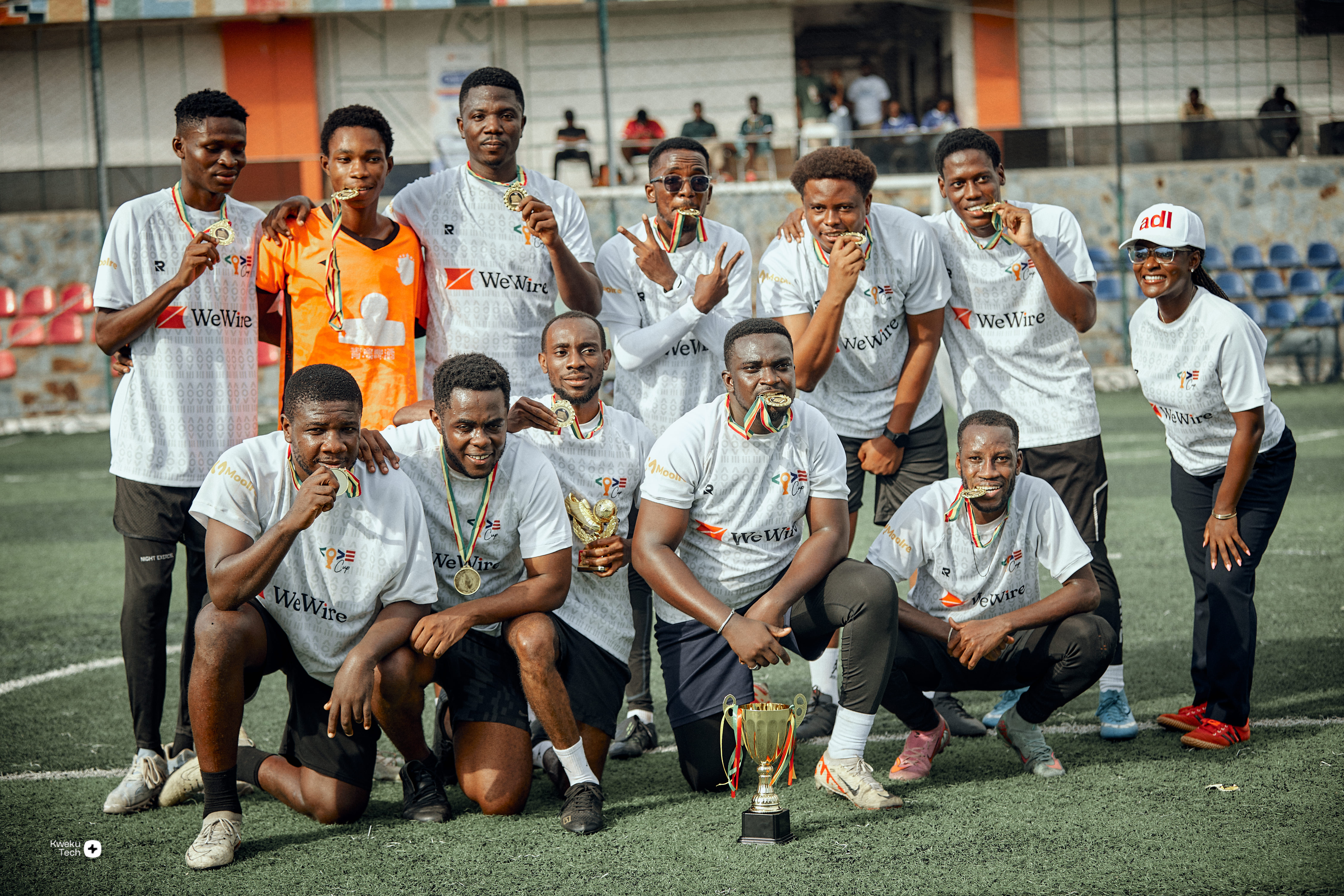
One of the tournament's most memorable stories came from the team with perhaps the least conventional name.
The organisers grouped players largely by discipline, creating teams that reflected different parts of Ghana's technology workforce. Yet the champions were not one of the traditional technical categories.
They were simply called Other Techies. Their custom white jerseys quickly became one of the day's biggest talking points, while their performances on the field earned them the championship.
It would be easy to dismiss this as football trivia. But the symbolism is difficult to ignore.
Many of the professionals who keep Ghana's technology companies running do not fit neatly into traditional labels. Community managers, growth specialists, DevOps engineers, technical writers, operations professionals, founders wearing multiple hats and countless other generalists often work across functions rather than inside one clearly defined role.
Their work is less visible than writing code, but no less essential.
A football tournament cannot explain the complexity of Ghana's labour market. It can, however, remind us that ecosystems are sustained by far more people than the job titles that usually dominate industry conversations.
Building What Doesn't Yet Exist
Perhaps the most overlooked feature of the day was not on the football pitch at all.
Every participant received a health screening from Rivia Clinics. It was a thoughtful addition, but it also reflected something broader.
Across much of Africa's startup ecosystem, professionals often work across contracts, freelance projects, early-stage companies and independent ventures. Traditional support structures, whether professional associations, employer wellness programmes or industry-wide benefits, are still developing.
Community organisations have increasingly begun filling some of those gaps. Not because they are expected to, but because someone has to.
The same pattern appeared elsewhere throughout the event.
Sponsors such as Wewire, Moolre and Author Digital Labs backed the initiative alongside ecosystem partners including Brif Africa, helping strengthen a community they themselves are part of.
Rather than waiting for someone else to organise opportunities for connection, Ghana's technology community is increasingly organising them for itself.
That may prove to be one of the ecosystem's greatest strengths.
Looking Ahead
Before the day concluded, organisers announced two initiatives that point to what comes next.
The first is the upcoming 2026 Ghana Tech Ecosystem Survey, the third edition of the annual study, which continues Code and Cocktails' effort to generate richer data and deeper insights into Ghana's technology landscape.
Building on the momentum of previous editions, the survey has become an increasingly valuable resource for founders, policymakers, investors and researchers seeking to better understand one of West Africa's fastest-growing innovation ecosystems.
Its greatest value will lie in accurately reflecting the diversity of the people building that ecosystem—from software engineers and designers to operators, community builders and the growing number of professionals whose careers span multiple disciplines.
The second announcement was the return of the annual Tech Party, scheduled for 5 December as the official after-party of FIDCon, continuing Code and Cocktails' broader effort to create spaces where Ghana's technology community can connect beyond the workplace.
Taken together, these initiatives suggest an ecosystem becoming more intentional about understanding itself as well as building products.
Before Institutions Come Communities
The easiest way to describe CodeCup is as a football tournament.
It was certainly that. But stopping there misses the larger story.
In one day, Ghana's technology community created a place to compete, collaborate, test products, promote wellbeing, strengthen relationships and imagine what comes next.
None of those outcomes happened because a government agency required them.
None depended on a multinational company creating them.
They happened because a community recognised a need and chose to meet it together.
Mature technology ecosystems inherit strong institutions.
Emerging ecosystems often have to build their own.
On a football pitch in East Legon, Ghana's technology community offered a reminder that institutions do not always begin as buildings or organisations.
Sometimes they begin as traditions.
Sometimes they begin as communities.
And sometimes, they begin with a football.
Brif Africa was proud to support CodeCup 2026 as an ecosystem partner alongside organisations committed to strengthening Ghana's growing technology community. Tournament results, event details and organiser quotes were provided by Code and Cocktails.