
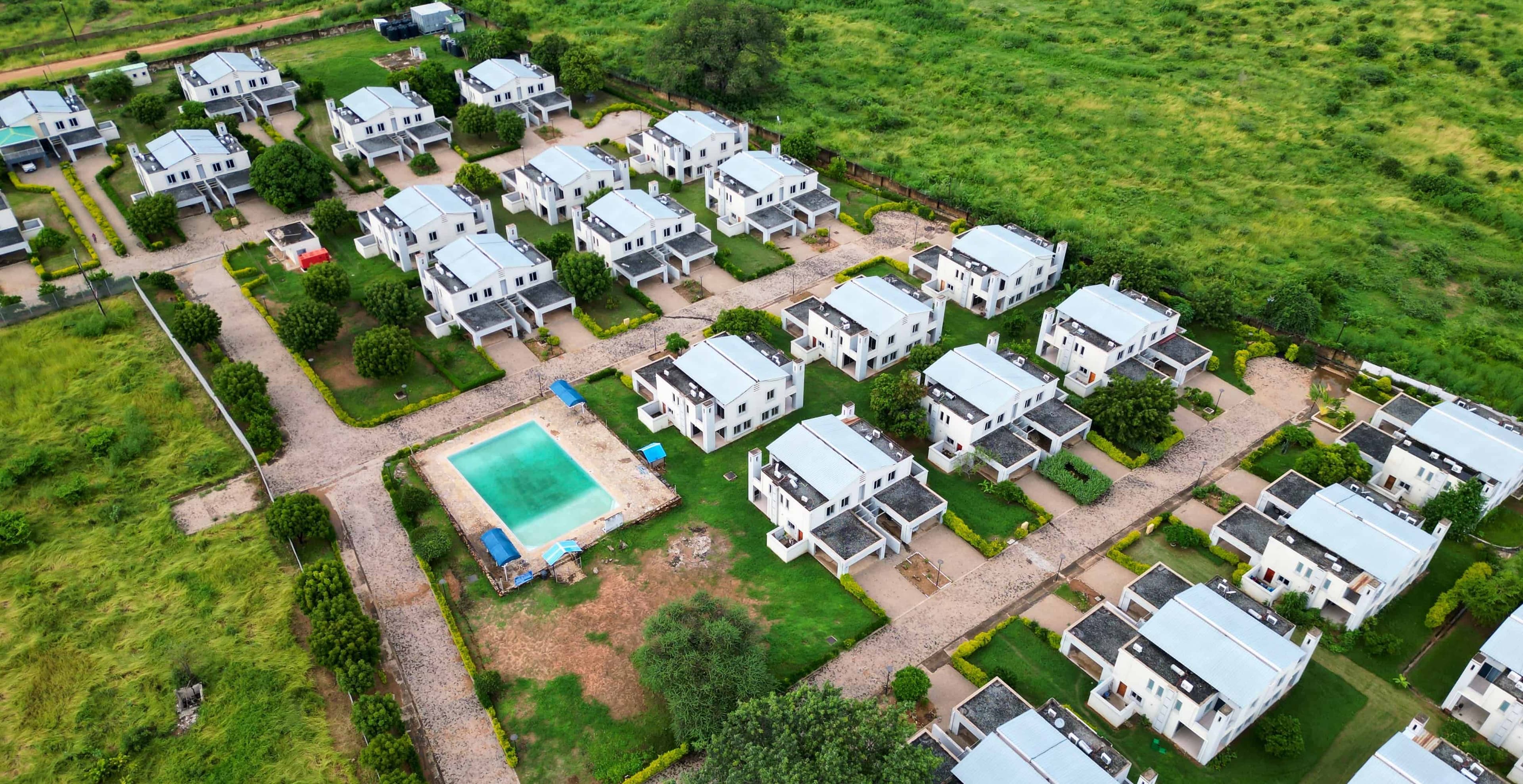
It is safe to say that, to a large extent, property ownership among the African diaspora is no longer driven solely by sentiment. While previous generations often purchased land or homes primarily as a legacy to be passed on to family members after the owner’s demise. Today’s diaspora investors are increasingly strategic and intentional in their decisions. They recognise real estate not only as a symbol of connection to home but also as a viable investment asset capable of generating long-term value and returns. From luxury apartments in Lagos bought by British-Nigerians to Cape Verde holiday homes sold to diaspora families in Portugal, diaspora Africans are strongly reshaping housing demand.
For context, the African diaspora refers to people of African origin living outside the continent, as well as their descendants, irrespective of migration through historical forced displacement (such as the transatlantic slave trade), or through voluntary movements (for education, employment, business or family reasons). These special groups of Africans of over 100 million, encompass long-established communities across the Caribbean, Latin America, North America, Europe and the Middle East.
The term diaspora goes beyond the geography of dispersed African ethnicities; rather, the consistent cultural, economic and social ties with the continent. Recognising this significance, the African Union (AU) describes the African diaspora as the continent's “sixth region” because of their influence on Africa’s development.
That influence is hard to ignore. The World Bank estimates that Africans abroad remit more than $100 billion annually, which is used in supporting households, businesses and infrastructure across the continent. In Nigeria alone, diaspora remittances reached $21.5 billion in 2025, contributing about 12 per cent of GDP, according to the Nigerians in Diaspora Commission (NiDCOM) and the Central Bank of Nigeria (CBN).
Beyond remittances, the diaspora Africans are a significant driving source of investment across the continent, bringing in expertise, exposure, job creation, entrepreneurship and foreign partnerships. Among the sectors in the economy, the real estate/property sector remains one of their choicest investments because of its perceived stability, long-term value and wealth-building potential.
Yet, the problem lies not in the availability of the market. The money is available, but policies, products, and systems have not evolved enough to meet the needs of diaspora investors.
How Different African Countries Approach Diaspora Real Estate Investment
Real estate extends far beyond housing. It includes residential developments, commercial properties, shopping malls, business districts, hotels, resorts, event centres, recreational parks, entertainment hubs, tourist attractions, ranches, mixed-use developments, and other spaces that support living, business, leisure and economic growth.
Africa’s diaspora property story is not the same everywhere. While trust issues, weak land systems and financing gaps remain common challenges, some countries are making greater progress than others.
In West Africa, Nigeria and Ghana represent two different approaches to the same challenge. Nigeria, with a diaspora population of almost 20 million people, has an estimated $21.5 billion in remittances by the CBN for 2025. The country attracts some of Africa’s largest remittance inflows, with diaspora investors targeting premium apartments, gated estates and off-plan developments across its major areas such as Abuja, Lagos, Imo, Port Harcourt, Kano, Nasarawa, etc.
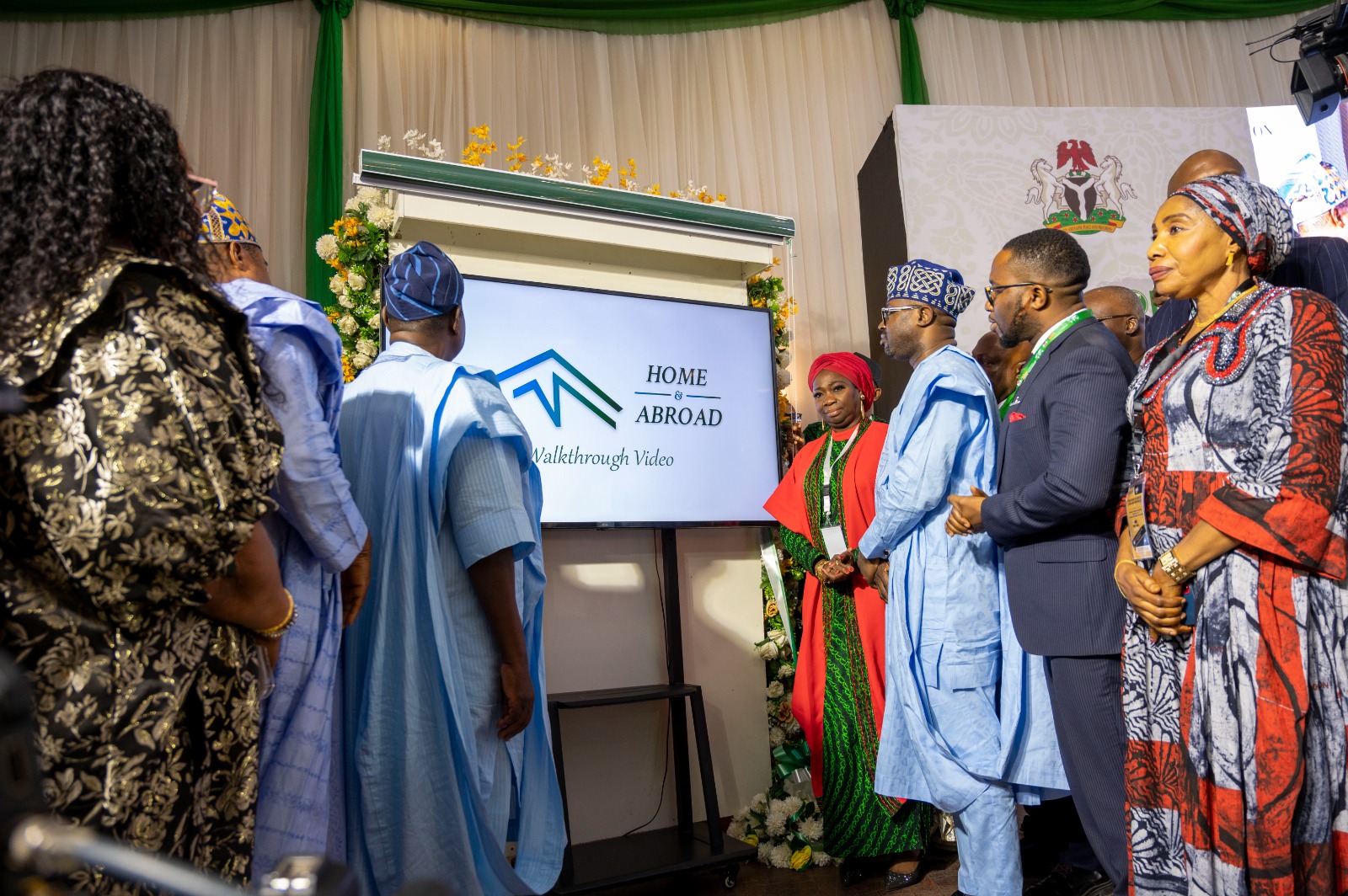
However, project delays, disputed land titles and buyer-unfriendly payment structures have weakened trust in the market. Even those who build privately often face fraud, mismanaged funds and broken promises from trusted contractors or relatives. It is precisely this gap that the Federal Mortgage Bank of Nigeria's Diaspora National Housing Fund Scheme, developed with NiDCOM, was designed to provide a more transparent, seamless and accountable pathway for diaspora home ownership.
Credit: NiDCOM
Ghana, on the other hand, receives approximately $8 billion as remittance by its diaspora of about three million people. Ghana’s celebrated Year of Return boosts diaspora interest and investments, but challenges remain. Customary land ownership systems and cases of double sales, for instance, continue to create risks for buyers, be it in Accra, Kumasi, East Legon, Akosombo, Tema, Airport Hills, or Tse Addo. In response, Ghana’s Securities and Exchange Commission has leaned into Real Estate Investment Trusts (REITs) and diaspora bonds as more structured, lower-risk entry points. These instruments allow diaspora investors to channel capital through institutional portfolios without the burden of managing physical assets remotely.
Credit: Top Guide
Kenya and Rwanda have emerged as attractive destinations for diaspora property investment, though for different reasons. Each of them offers unique opportunities for wealth creation. While Kenya provides scale, liquidity and strong capital appreciation, Rwanda stands out for its transparency, regulatory efficiency and high rental returns.
Kenya’s property market continues to be fuelled by diaspora remittances, which reached a record $5.24 billion in 2024, according to the Central Bank of Kenya (CBK). Industry reports indicate that a significant portion of these remittances goes into real estate, making property one of the preferred investment vehicles for its nearly four million Kenyans living in the diaspora.
Rwanda, also, is rapidly positioning itself as one of Africa’s most secure and investor-friendly property markets. With a diaspora size of between 346,000 and 500,000 people, the Rwanda Development Board recorded over $850 million in real estate investments (32.7 per cent of all registered investments). Kigali's growth as a business hub drives high rental returns: 9.3 per cent (residential), 10.8 per cent (offices), and 12.3 per cent (retail).
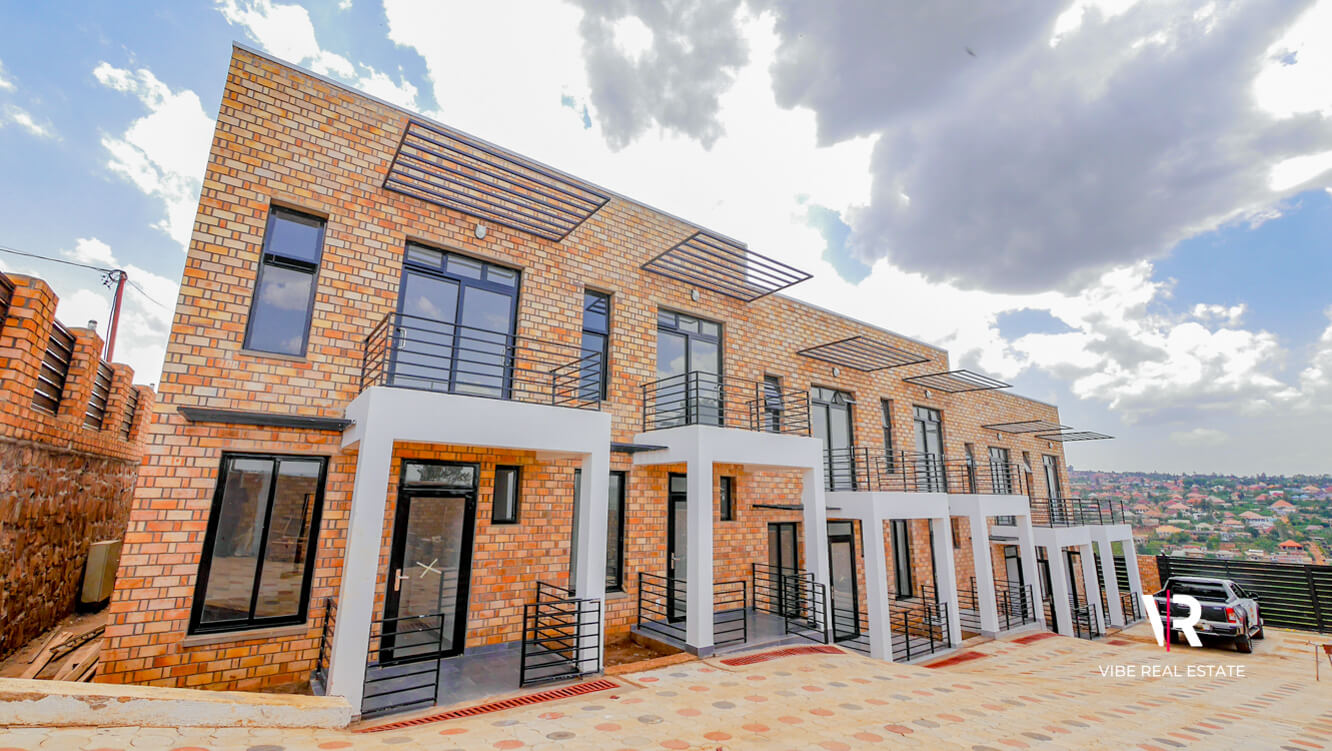
Credit: Vibe Real Estate
The key difference is governance and risk. Kenya has digitised land systems and diaspora mortgage products, but land fraud concerns still require rigorous due diligence. Rwanda has a fully digitised land registry with one of Africa's lowest title dispute risks, giving investors greater confidence and security.
North Africa, represented by Egypt and Morocco, operates in a different way due to its closeness to Europe and the Middle East on the map. Egypt, with approximately nine million diasporas living abroad (according to the Central Agency for Public Mobilisation and Statistics estimate), has North Africa’s largest real estate market ($1.58 trillion), with its share valued at $22.9 billion in 2025. In addition, the market is projected to reach $30.5 billion by 2034, with the residential sector, which was placed at $9.4 billion in 2025, and is expected to increase to $14.67 billion by 2030.
Morocco has over five million diasporas abroad, mainly in Europe, with diaspora remittances reaching $12.4 billion in 2025, as recorded by the Exchange Office of Morocco. Also, Morocco’s Casablanca, Rabat, and Marrakech real estate markets are booming and attracting mainly European diaspora through tourism-driven development.
The good thing here is that the close-border location of North Africa to parts of Europe and the Middle East makes it quite easier for Europe-based diasporas to physically verify/inspect their property than for those in sub-Saharan African diasporas. However, North Africa is too far from sub-Saharan Africa, limiting its relevance for broader African diaspora investment. Investment remains concentrated in West Africa (Nigeria, Ghana) and East Africa (Kenya, Rwanda), where the largest diaspora populations originated.
In Southern Africa, South Africa and Botswana lead with the continent’s most developed real estate infrastructure. South Africa has a diaspora population of approximately 915,000 to one million people, generating about $1.1–1.2 billion annually in remittances (according to the World Bank). This goes into a highly developed real estate market valued at roughly $15-19 billion and is centred in major urban areas like Cape Town, Johannesburg, and Durban. Interestingly, the sector is the most mature in Africa, being protected by established property laws and mortgage financing options, and access via Western-linked banks and investors. However, high property prices mean access is largely limited to high-net-worth diaspora buyers and institutional investors.
For Botswana, with 87,000 diasporas contributing close to $70–75 million yearly in remittances, a safer environment, transparent laws, and lower costs for the middle-class diaspora, in places like its capital, Gaborone, is what you should expect, given that its market remains smaller than South Africa’s.
The comparative analysis reveals a clear pattern. Countries with stronger policy systems like Ghana, Kenya, Rwanda, and South Africa attract more diaspora investment into real estate due to greater trust and clearer frameworks. Geographic proximity to diaspora destinations, like Egypt and Morocco’s nearness to Europe, creates different market dynamics but limits broader relevance. However, a major financing gap still limits growth across most of Africa, with South Africa remaining the only major market offering access to Western-tied mortgage systems. Furthermore, countries with larger diaspora populations face greater urgency but slower progress, as seen with Nigeria’s $21.5 billion capital pool.
The diaspora already invests $95 billion annually. The question is whether Africa will build what they need to invest wisely. Countries using their policy innovation are making progress, while those waiting for market forces remain stuck.
Why It Keeps Going Wrong
The challenges are largely structural. Many developers see diaspora buyers as a source of higher profits rather than long-term customers. Also, some governments promote diaspora investment but often fail to implement reforms such as digital land databases, enforce protection, and flexible payment systems.
Another reason is that financial infrastructure remains built entirely for residents: mortgage products, legal frameworks, and payment systems all assume a buyer who earns locally and can walk into an office. The diaspora buyer does none of these things.
Then there’s trust, which might be the most important factor. When trust is broken, the news travels fast. Every investor who loses money tells ten friends, who will disseminate the story to anyone who cares to listen. Every stalled development gets posted online. Reputations built on broken promises do not recover quickly in a tightly networked diaspora community.

Credit: Getty Images
What Must Be Done
The diaspora is not asking for special treatment. They are asking for what every investor deserves: transparent documentation, honest contracts, and a hassle-free system that takes their capital seriously.
Developers should stop “extorting” from potential diaspora buyers. Dedicated trust fund protections must be adopted. Nigeria, for example, has the Nigeria Diaspora Investment Trust Fund and the Diaspora National Housing Fund. They also need to create digital platforms with real updates and include property management as standard, because when a project is delivered honestly, patronage increases, clientele is built, and employment can thrive…and that is good business!
Also, diaspora investors should not send money without verified titles, escrow-backed contracts, and independent due diligence. Use your networks to reward developers who deliver with integrity and professionalism.
Finally…
The African diaspora has never stopped believing in home, and their investments reflect that commitment. The solutions already exist. What is needed now is action: developers who build with integrity, investors who demand accountability, and governments that implement meaningful reforms. The diaspora is ready to invest. The question is whether Africa is ready to meet that commitment.