
The most important funding story in African tech this year isn't that fintech raised less money.
It's what replaced it.
For more than a decade, investors poured billions of dollars into companies helping Africans move money more efficiently.
Payments. Lending. Banking. Remittances.
Financial infrastructure became the continent's most reliable magnet for capital. Then, almost quietly, investors started changing their minds.
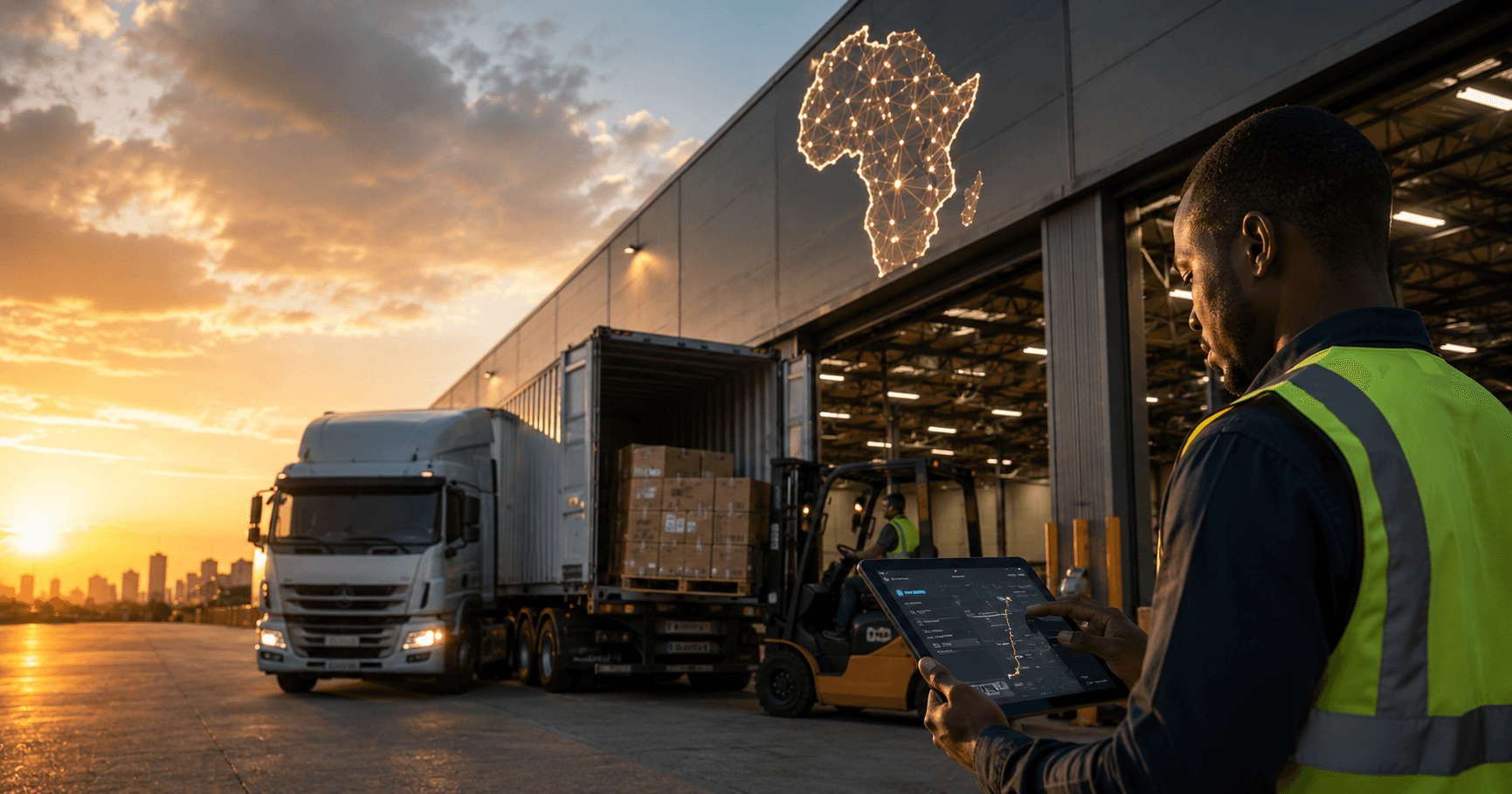
In February 2026, Logistics and Transport emerged as Africa's most-funded startup sector, attracting nearly $120 million in funding and overtaking fintech, the category that had long defined African venture capital.
At first glance, it looked like a temporary change in investor appetite.
It wasn't. It was a signal.
Because across the continent, investors are beginning to realize that Africa's greatest opportunities are no longer found in helping people transact but helping economies function.
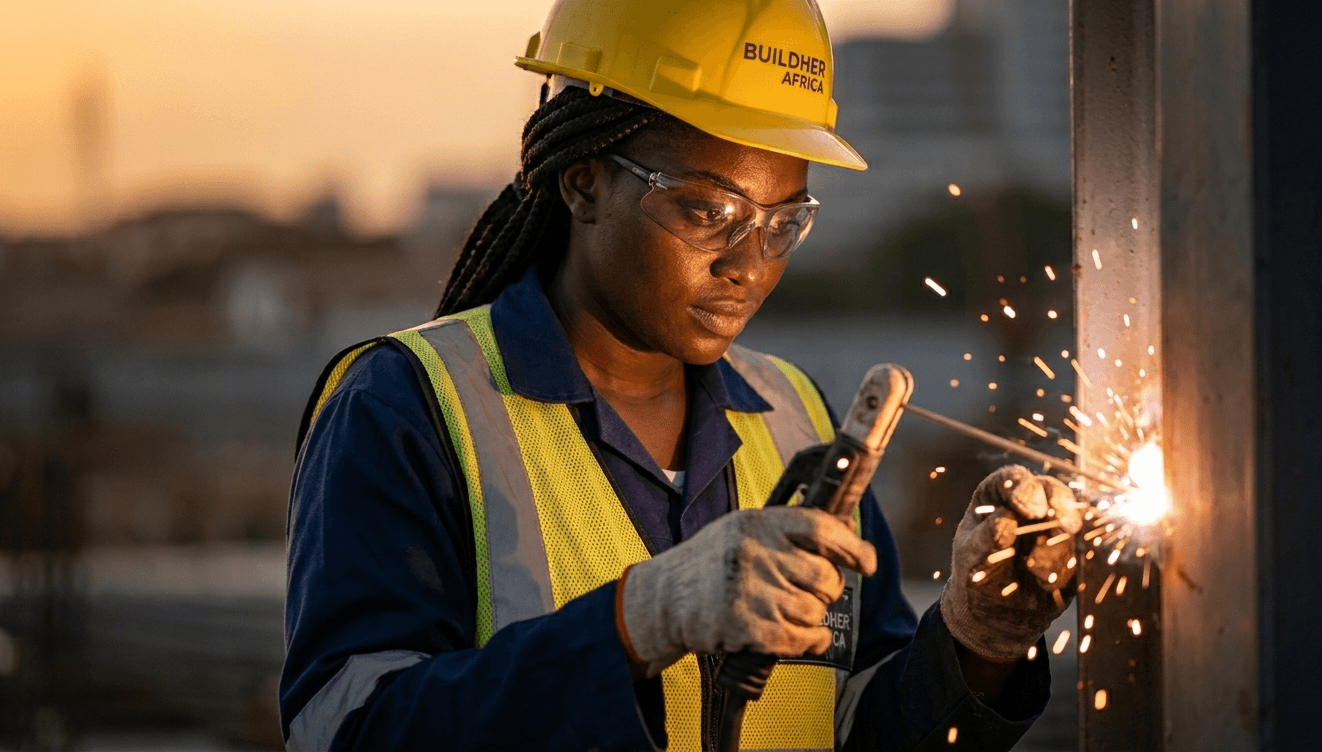
The future of African innovation may not be built inside another digital wallet. It may be built inside a warehouse, a battery network, a logistics corridor, or a factory. And for African builders, that changes the map entirely.
The First Generation Solved the Transaction Problem
To understand where African venture capital is going, it helps to understand where it has been.
The first generation of African startups emerged in response to one of the continent's most obvious challenges: financial exclusion.
Millions of people lacked access to formal banking. Businesses struggled to receive payments. Cross-border transactions were expensive and slow. Money moved inefficiently.
Builders responded then investors followed.
The result was one of the most successful technology sectors Africa has ever produced.
Fintech became the continent's default startup category because it solved a real and urgent problem. But every solved problem reveals the next constraint.
Today, Africa's challenge is no longer simply moving money. The challenge is what happens after the payment.
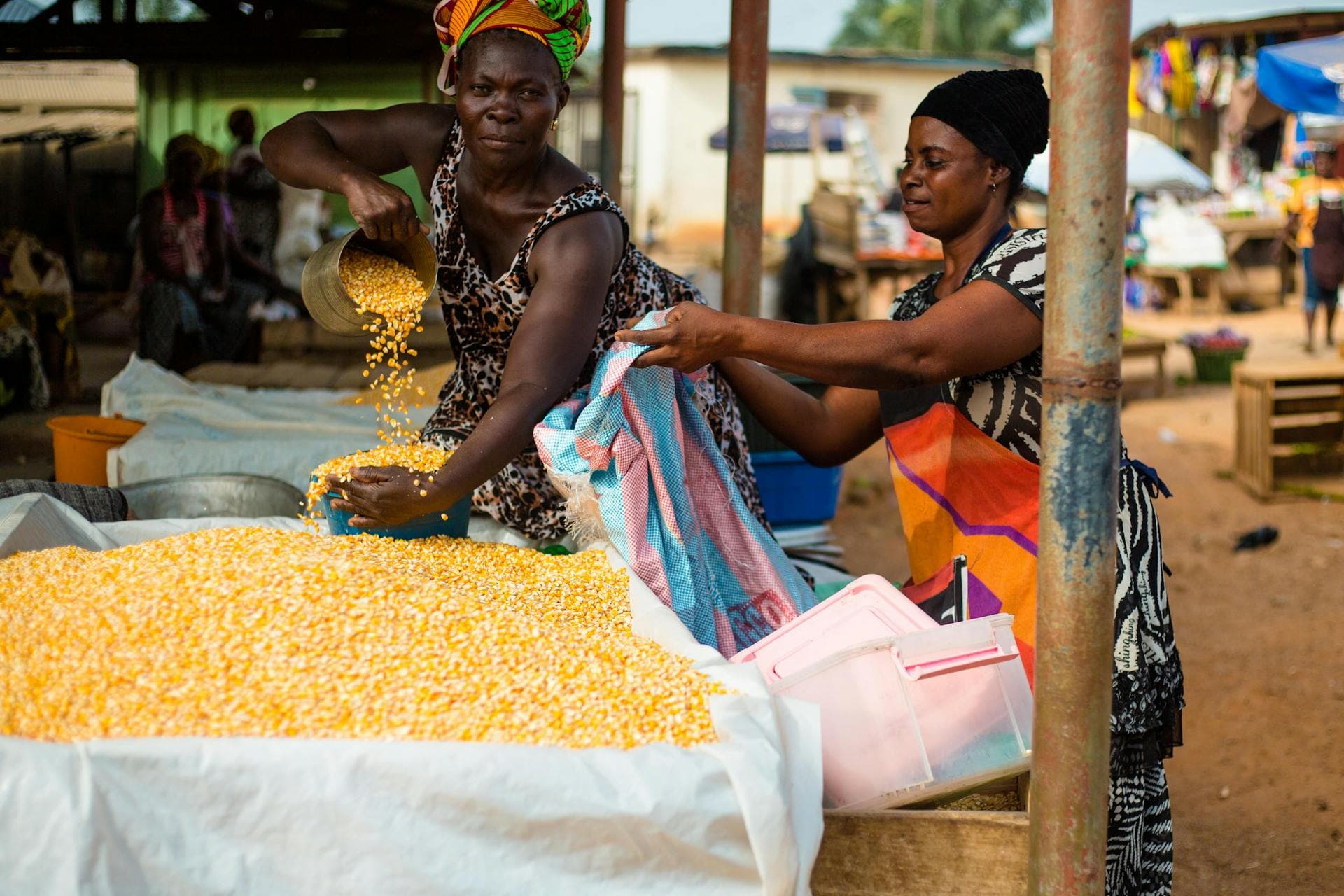
A farmer receives money instantly. Can the produce reach the market?
A manufacturer secures financing. Can production continue when electricity fails?
A retailer accepts digital payments. Can inventory move across fragmented supply chains efficiently?
Increasingly, the answer is no.
And that reality is reshaping investor priorities.
Investors Are Following the Bottlenecks
The best way to understand funding trends is not to ask where money is going. It is to ask what problems investors believe are worth solving.
Across Africa, the answer is becoming increasingly clear. Investors are chasing bottlenecks. The bottlenecks preventing economies from; Producing more. Moving more. Manufacturing more. Trading more. Growing more.
And unlike the first generation of startup opportunities, many of these bottlenecks exist in the physical world. That shift is visible in the kinds of companies attracting capital not because they operate in the same sector, but because they are solving the same category of problem.
Infrastructure.
Three Builders, One Story
Consider three companies operating in entirely different industries. On the surface, they have very little in common.
One works in agriculture. One operates in mobility. One sits in deep technology. Yet all three are attracting investor attention for the same reason.
They are helping economies work.
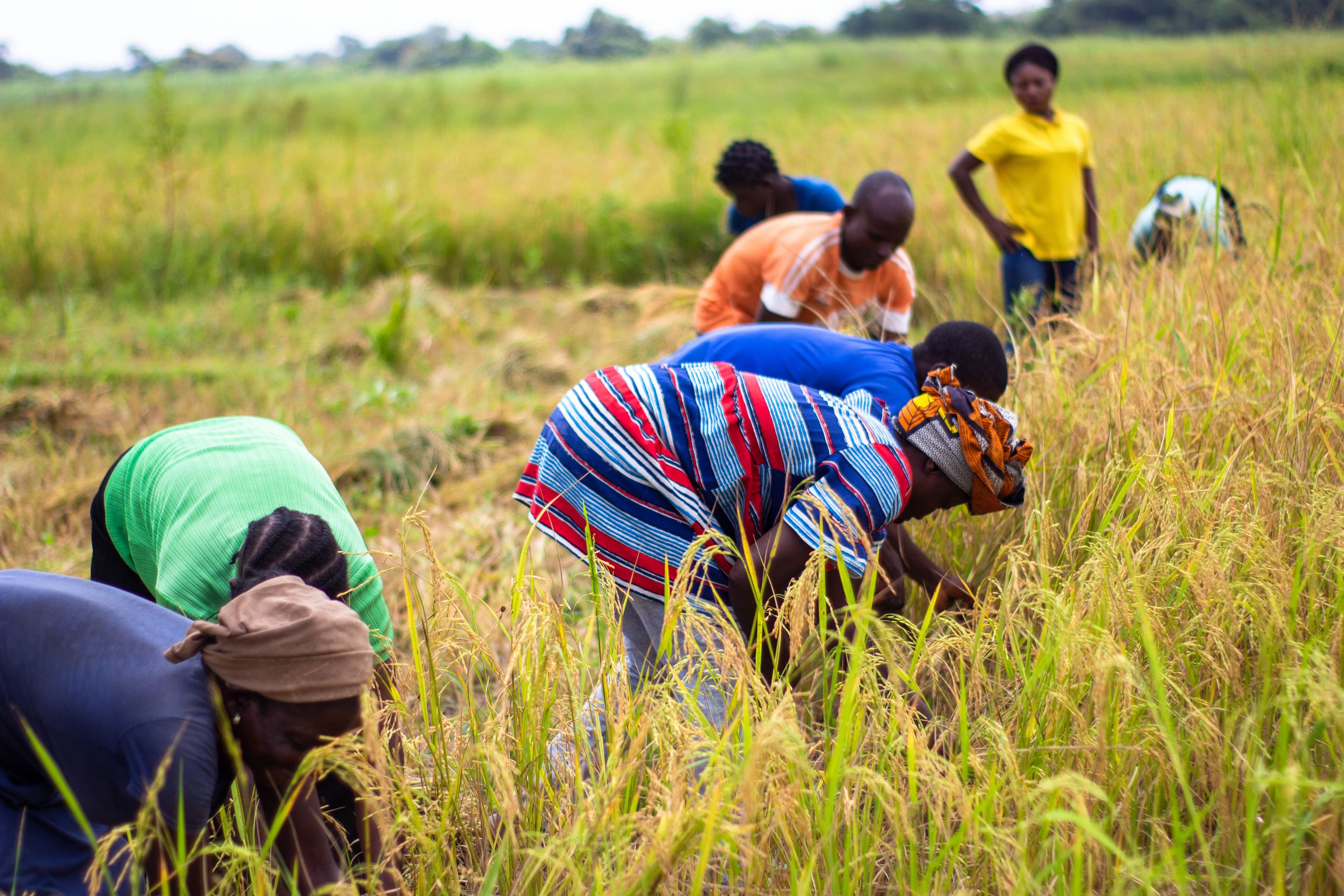
In Ghana, Complete Farmer recently secured a $2.5 million investment from AgriFI. Many would describe it as an agritech company, but that description misses the larger story.
The challenge facing African agriculture has never been production alone.
Farmers need buyers, reliable logistics, market access, supply chain visibility, financing, storage, distribution.
Complete Farmer's value lies in connecting these pieces together. It is not simply helping farmers grow but helping agricultural production reach markets.
That is infrastructure.
Now move hundreds of kilometers away to the transport sector.
Electric mobility company Spiro raised $57 million, becoming one of the largest contributors to Logistics and Transport's rise as a funding category.
Again, the story isn't really about motorcycles. Investors are backing charging networks. Battery-swapping systems. Distribution infrastructure. The physical systems that allow people and goods to move more efficiently.
Once again, the real opportunity sits beneath the product itself. The infrastructure layer.
Then there is Nigeria's Terra Industries, which raised more than $33 million and represents another evolution in investor thinking. For years, many founders believed venture-backed innovation in Africa had to fit within a relatively narrow set of categories. Payments, marketplaces, software.
Terra Industries suggests something different. It signals a growing willingness to fund industrial capacity, advanced technologies, and infrastructure-heavy ventures once considered outside the traditional venture capital playbook.
Different sectors. Different countries. Different business models. The same underlying story.
Investors are increasingly funding builders who remove constraints from economic activity.
The Rise of Production Infrastructure
This is the shift hidden beneath the headlines. For years, investors focused on transaction infrastructure. Systems that helped people participate in the economy. Today, capital is increasingly flowing toward production infrastructure. Systems that help economies function and scale. Energy, logistics, supply chains, industrial technology, mobility networks, agricultural infrastructure.
The distinction may seem subtle. But it isn't.
Transaction infrastructure helps economic activity happen.
Production infrastructure helps economic activity grow.
And growth is becoming the continent's next great challenge.
These numbers tell the story.
By the end of the first quarter of 2026, fintech remained the largest funded sector with approximately $221 million raised.
But Logistics and Transport secured roughly $149 million.
Energy and Water attracted approximately $141 million.
Combined, those sectors nearly matched fintech's dominance.
A few years ago, that would have been unimaginable yet today, it looks like the beginning of a larger transition.
What This Means for Builders
Many founders will read this story and ask a simple question: Should I build in logistics? That is the wrong question.
The better question is: Where is the bottleneck?
The most successful builders of the next decade may not emerge from a specific sector, but rather from a specific mindset.
The mindset of identifying constraints that entire industries depend on.
What prevents products from reaching customers?
What prevents factories from increasing output?
What prevents farmers from accessing markets?
What prevents businesses from scaling efficiently?
What prevents economic activity from flowing?
The founders who answer those questions are increasingly finding investors willing to back them. Not because infrastructure is fashionable. But because infrastructure matters.
The Brif Take
The first generation of African startups helped people participate in the economy. The next generation may help the economy function.
That is why investors are increasingly backing battery networks instead of banking apps. Supply chains instead of payment rails.
Production systems instead of transaction systems.
The future of African innovation is not becoming less digital. It is becoming more physical. And the builders who define Africa's next decade may not be the ones creating the next way to move money. They may be the ones ensuring goods move faster, energy flows reliably, factories produce efficiently, and markets connect more effectively.
The digital wallet was an important chapter in Africa's startup story. But it was never the entire story.
What comes next may prove far more transformative.