
Picture this. A wedding convoy brings Lagos traffic to a standstill. Guests in coordinated asoebi spill out of cars and decorated buses. Caterers hurry into venue, with steaming trays of food. Florists make last-minute adjustments to centrepieces. Photographers, make-up artists, stylist, drivers, the DJ and souvenir vendor move in synchrony around a single event.
'Joy’, in Africa, is a commodity; yet this thriving sector is too often dismissed as social indulgence rather than recognised as a serious commercial and economic force. Beneath Africa’s vibrant celebration culture lies a powerful economic engine; one that creates memories while encouraging a vast, interconnected value chain spanning weddings, festivals, corporate events and beyond.
This is the untapped story of Africa’s celebration industry: a sector rich in enterprise, jobs and investment potential, but still largely ignored by policymakers and underdeveloped by governments.
A Market Hidden Behind the Confetti and Invites
To understand this system, we had to get insights from event architects: Sarah Daniels-Gbadejo, CEO of D’SarahDanielsBrand & Events, and Omozele Ojeme, CEO & Lead Event Director, Zelebrations, whose experiences have redefined bespoke celebration management.
Sarah Daniels-Gbadejo asserts the events industry, particularly in Nigeria, is “a massive, dynamic and quite rapidly growing field”, that has evolved from a simple industry into a vibrant cultural ecosystem. She notes that clients in major cities are willing to invest heavily in lavish weddings, social, and corporate events to secure premium, memorable experiences, making it a highly viable economic pillar for everyone involved in the industry.
Africa’s events and celebrations industry sits at the intersection of culture, consumption and community.
To buttress this, Omozele Ojeme observes that the African celebration system is typically an exercise in the merging of cultures: most visibly in wedding ceremonies, where two traditions converge into one grand, deliberate experience.
Ojeme further highlights that these events are rooted in deliberate investments, as what unlocks creativity, drives precision and raises the standard of everything- from fashion, décor, media production and logistics. “Behind every seamless celebration”, she notes, “is a collective of vendors and professionals who bring their very best, not merely to execute an event, but to honour the weight of it”.
Both experts agree that celebrations are no social activities but serious economic engines, sustaining livelihoods across interconnected industries, from fashion to logistics. On where the bulk of event budgets disappear, Daniels-Gbadejo and Ojeme have different views. Daniels-Gbadejo argues that fashion industry tops the chart, which is followed by décor and catering industries, while Ojeme counters it; putting the décor industry first and the fashion industry, second. However, both of them concur that weddings are the most expensive type of celebration which is closely followed by corporate events.
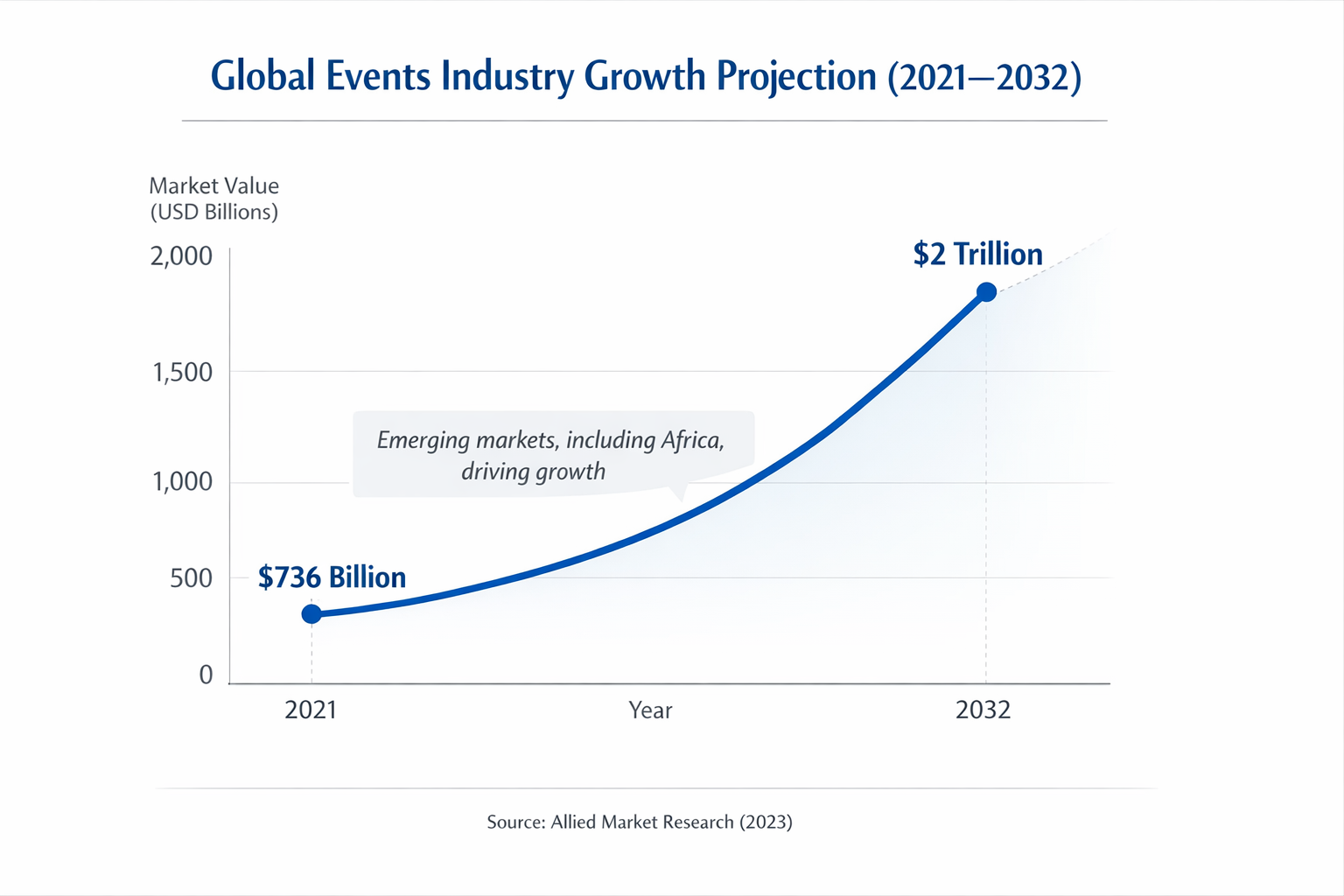
While continental-wide data remains patchy, the broader picture is compelling. The global events industry was valued at over $736 billion in 2021 and is projected to exceed $2 trillion by 2032, with emerging markets, including Africa; accounting for much of that growth (Allied Market Research, 2023). The Middle East and Africa events market alone is said to surpass $88.96 billion by 2029, while Africa’s wider events industry is on course to reach $1.4 trillion by 2028, growing at around eight per cent annually.
Every wedding, festival, conference, and trade fair subtly puts revenue into hospitality, transport, fintech, fashion, and the informal economy. In Africa, weddings alone represent a multi-billion-dollar ecosystem. Reports indicated that Nigeria hosts an estimated 1.2 to 1.5 million weddings each year, with average urban ceremonies costing between $10,000 and $50,000 (Nwankwo, 2022; Nigerian Bureau of Statistics). The Nigerian wedding industry is estimated to be worth over $60 billion annually: this means that each time a couple says “I do”, they are effectively stimulating the textile, agricultural, logistics, and creative sectors all at once.
Festivals across the continent also make a substantial contribution to tourism revenues. Morocco's cultural festivals attract millions of visitors annually, boosting local economies and raising the country's global profile (UNWTO, 2022). Similarly, South Africa's events industry contributes billions of rand to GDP, with conferences and festivals forming a key pillar of its economic output (South African Tourism Annual Report, 2023).
Africa’s celebration economy thrives on constant, culturally embedded demand for weddings, mourning, gatherings, and milestones, unlike volatile export sectors. A medium-sized wedding alone powers a vast supply chain, employing dozens to hundreds across catering, planning, décor, tailoring, baking, photography, MCs, venues, transport, printing, styling, and digital content. This makes it remarkably durable and rooted in everyday social life.
The Zelebrations CEO notes that spending on luxury weddings, for example, is driven by a combination of factors: the desired quality and style of the wedding, the available budget, the service packages offered by vendors and event‑planning firms, the season, the number of guests, and, importantly, the selection of the right vendors. Together, these elements shape the overall character and standard of the celebration.
One event offers a real-time network of micro-enterprises in African cities, operating without state support, formal finance, insurance, or investment. These businesses generate revenue, create jobs, and boost local economies, but stay statistically invisible in national planning.
This oversight is costly, as governments prioritise oil, agriculture, mining, and tech over this labour-intensive, youth-driven sector.
More Than Parties: A Goldmine Opportunity
The celebration industry tackles economic challenges by creating quick, low-barrier jobs in areas like catering, décor, photography, and coordination, which is ideal for young entrepreneurs without vast infrastructure. Also, it bolsters SMEs, key to cutting unemployment and growing domestic enterprise in African economies. Another importance is that it drives internal consumption, keeping money local via workers, suppliers, and neighbourhood commerce, though often undervalued as mere festivity.
To demonstrate celebrations as a continent-wide driver of value creation, four countries, each representing a major African region with distinct economic strengths and cultural expressions, were selected: Nigeria (West), Kenya (East), South Africa (South), and Morocco (North). From Nigeria’s high-volume social economy to Kenya’s tech-enabled systems and its role as Africa’s leading flower exporter; from South Africa’s structured events industry to Morocco’s luxury destination model, each offers a distinct lens into how Africa is industrialising joy.
Nigeria: Africa’s Owanbe Economy of the West
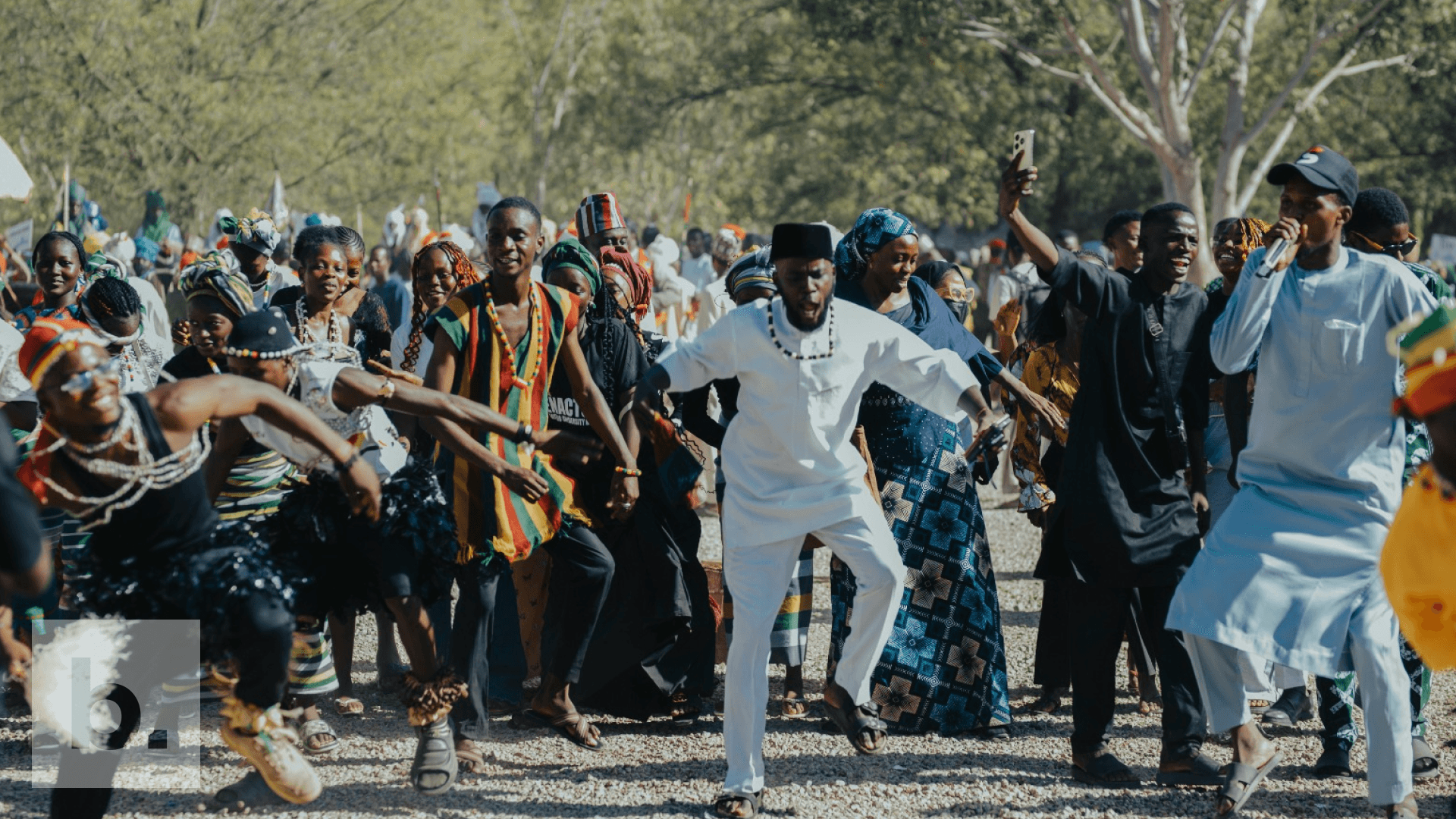
If weddings were an Olympic sport, Lagos alone would require multiple stadiums. In Nigeria, the owanbe (party) culture has evolved into an economic ecosystem of its own, driven by the emphasis placed on grandeur, visual impact, and the desire to create a truly memorable first impression.
Nigeria remains Africa's undisputed heavyweight in celebration commerce, and its strength lies in its resilience. Even during inflation, Nigerians may reduce scale, but rarely cancel celebrations altogether. That resilience makes the market unusually durable. Weddings and social ceremonies have a constant need for fabrics, catering, entertainment, décor, and logistics, and that demand rarely disappears.
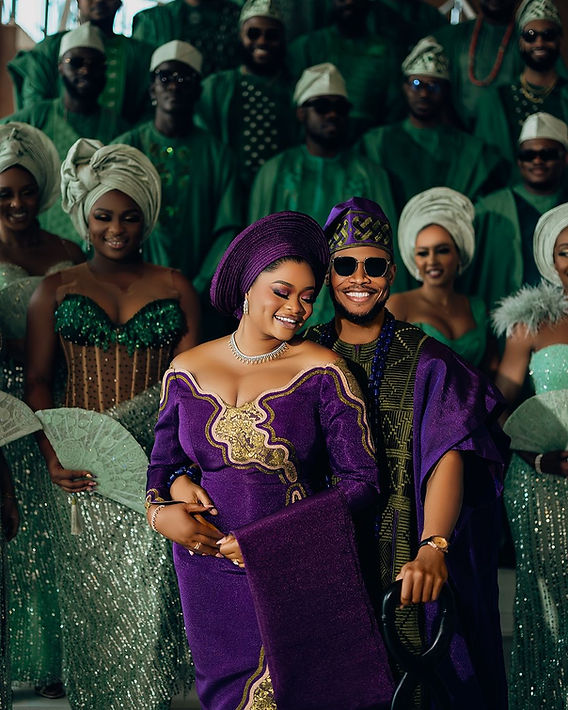
Image Credit: Simply Asoebi
Additionally, this celebration economy is powered by a fast, informal network of micro-vendors who rely on flexibility rather than formal systems. The industry thrives on agility, allowing rapid production of events and quick adaptation to changing trends. It is further supported by a strong social financing culture, where celebrations are often funded through extended family and community contributions, creating a continuous cycle of spending and future obligations.
The sector also functions as a major hub for informal creative employment, training thousands of young people in areas like photography, catering, décor, and makeup, making it a key entry point for youth entrepreneurship and a genuine engine of grassroots economic growth.
Kenya: East Africa’s Tech‑Driven Events Hub and Top Floral Exporter
In Kenya, the business of joy wears a sharper digital suit (and maybe smells like gardenia, too). Here, mobile payments, digital platforms and data streamline weddings, corporate events and festivals. In Nairobi and beyond, app‑based systems, such as mTickets, run much of the event value chain, from bookings and payments to guest management and promotion.
According to the D’SarahDanielsBrand & Events CEO, rising technology and social media, particularly platforms like Instagram, TikTok, and Pinterest, aside creating visibility to clients for event professionals, have transformed celebrations into bigger and more elaborate events by inspiring trends, elevating expectations for “Instagram-worthy” designs, intensifying vendor competition, and enabling professionals to showcase their work and build brands without physical spaces. She asserted:
Clients now want visually stunning events, Instagram-worthy celebrations with stronger attention to detail, like décor and even styling. So, it has basically made events more experience-driven and more luxury-focused...
Technology is only part of the story. Kenya is also Africa’s leading floral exporter, with the floriculture hub based in Naivasha supplying blooms for weddings, events and festivals across the continent. From cascading bouquets to grand floral installations, much of Africa’s visual celebration aesthetic has Kenyan signature.
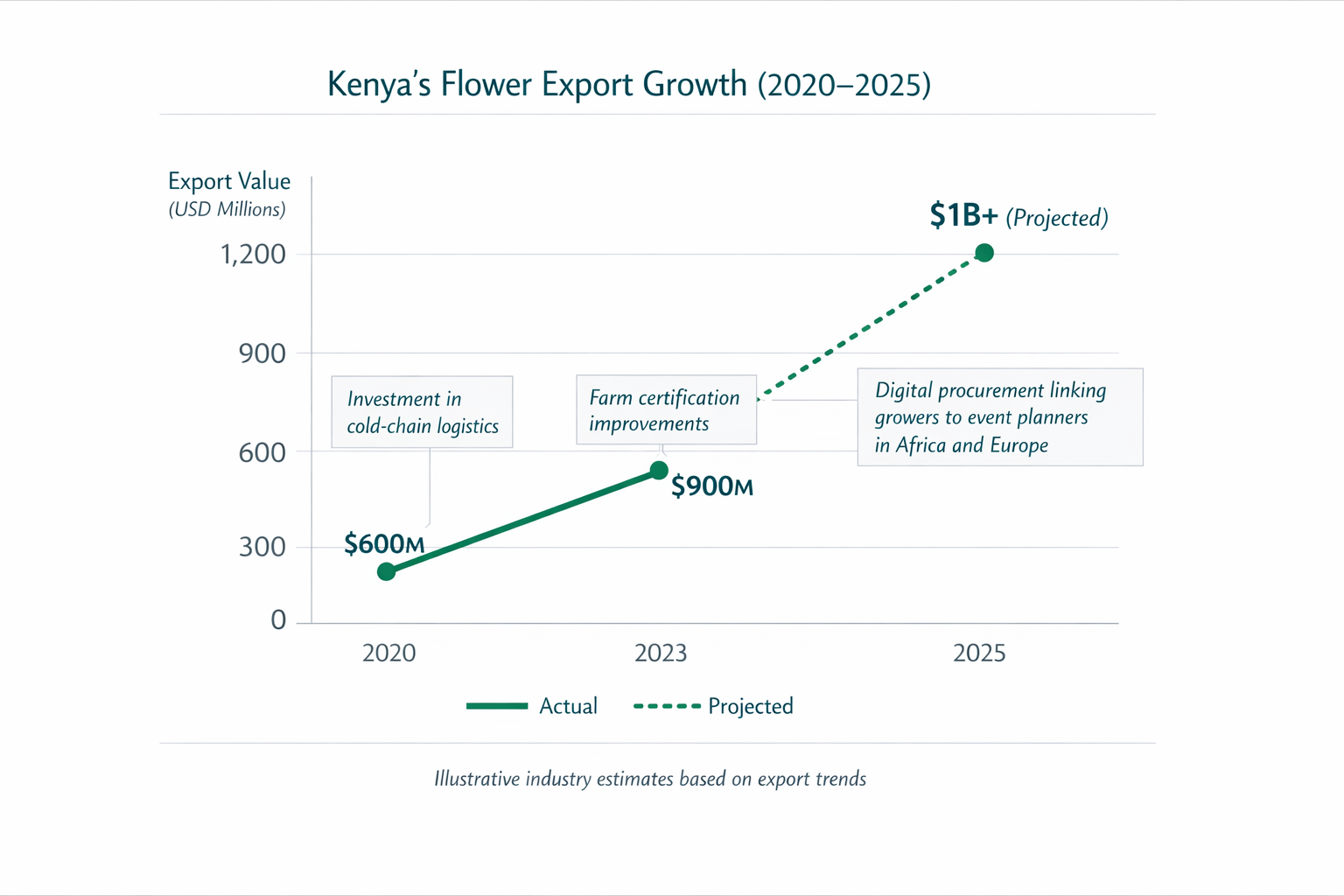
Kenya’s flower exports climbed steadily from about $600 million in 2020 to over $900 million by 2023, with projections expected to cross $1 billion by 2024–2025. This growth reflects investment in cold‑chain logistics, farm certification, and digital procurement that links Kenyan growers to event planners in Africa and Europe.
Kenya’s advantage lies in formalisation. Compared with many African markets, its celebration economy is moving faster into organised systems, making it easier for businesses to scale beyond one-off gigs into sustainable enterprises.
South Africa: The Industrial Model of Events in Africa
South Africa offers perhaps the continent’s most mature celebration economy framework. Here, joy is highly structured. Music festivals, art fairs, conferences, destination weddings, and corporate exhibitions operate within well-developed infrastructure systems supported by strong venue networks, hospitality ecosystems, transport access and tourism partnerships.
Cape Town’s festival economy and Johannesburg’s conference circuits show how celebrations can be scaled into institutional industries. The Meetings, Incentives, Conferences and Exhibitions (MICE) sector contributes significantly to tourism revenues and positions South Africa as both a continental and international events destination.
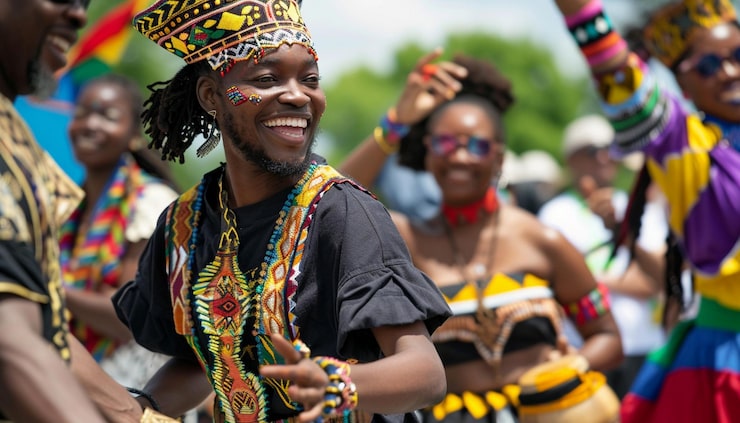
Image Credit: Freepik
Unlike Nigeria’s informal exuberance, South Africa’s selling point lies in system design: predictable logistics, stronger compliance structures, and investment-ready event models. It proves that when more governments and private sectors take celebration seriously, culture becomes measurable GDP.
Morocco: North Africa’s Luxury Celebration Export
If Nigeria is scale and South Africa is structure, Morocco is the spectacle. Morocco has changed celebration into a high-value export category, particularly in destination weddings. Marrakech, especially, has become one of the world’s most sought-after luxury wedding locations, attracting international clients, diaspora investment, and generating income across tourism, hospitality, transport, and artisan sectors.
In addition, Morocco has a reputation for stability in its event and hospitality environment, which, contextually, means the direct process in how events are planned, delivered, and experienced.
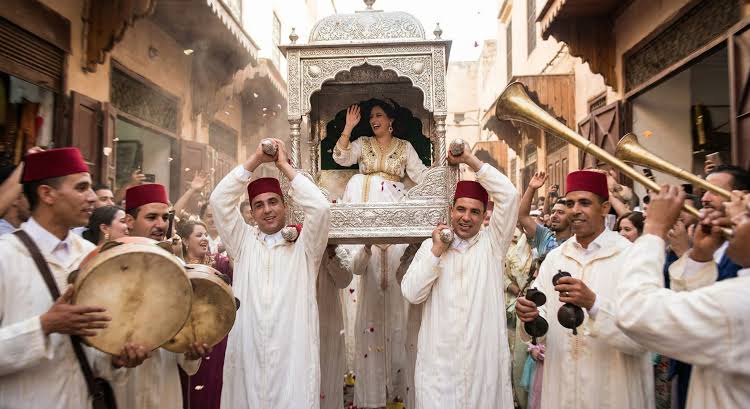
Image Credit: Marrakeche.com
More importantly, the African celebration lifestyle, however, is not new. Long before global attention or diaspora amplification, it (African celebration) existed as an integral part of social and cultural life across the continent, as Ojeme points out,
...It has always been there. What the diaspora have done is to showcase it more. Now everyone wants, for example a Nigerian friend to attend a Nigerian wedding back home, usually during Detty December Christmas periods, where there’s so much fun activities. And what they are really doing is showing the world the beautiful side of Nigeria, and by extension the continent as a whole. Not some of the one-sided narratives circulating the media.
In Morocco, joy has become a foreign exchange asset. And that is perhaps one of Africa’s smartest cultural business models.
The Barriers Beneath the Glitter
Despite its potential, Africa's celebration industry is held back by significant structural challenges. Event businesses are frequently denied bank loans due to being seen as informal or unstable, while a lack of reliable data makes it difficult for governments to develop informed policies. Poor infrastructure, including roads, electricity, and event spaces outside major cities, pushes up operating costs. Most vendors also lack insurance, leaving them exposed to financial risk from cancellations or accidents. Inconsistent licensing and unclear regulations further prevent businesses from formalising and growing. Taken together, these are fundamental barriers keeping the sector well below its potential.
For Daniels-Gbadejo, the major challenge lies in reconciling budget realities with clients’ expectations, without compromising on the quality of experience. Ojeme, on the other hand, highlights the instability of government policies and regulations as a key difficulty affecting the industry.
Yet, both professionals agree on the underlying matter, that these challenges feed directly into inflation, making celebrations less affordable for clients, while increasing pressure on event planners to deliver high-quality events under tightening financial and regulatory conditions.
What Governments Must Do
African governments need to formally recognise the events and celebrations sector as a legitimate part of the economy, rather than dismissing it as an informal activity. This means including it in national economic planning, creating tailored financing options for small businesses, and developing accredited training for industry professionals. Investment in venues, transport, and reliable power is also needed to reduce costs and widen market reach. Finally, governments must start collecting proper data on the sector. Without these steps, Africa risks leaving significant economic value untapped.
Conclusion
Africa’s celebration industry is no mere decoration but a productive, job-generating force deeply woven into the continent’s social fabric. Its power lies in this everyday normalcy, often overlooked by policymakers hunting new growth engines amid wedding halls, festival grounds, village squares, and ballrooms. Already thriving as the business of joy, it demands structure, investment, and recognition, for behind every party pulses a vibrant market ripe with untapped development potential. To truly unlock that potential, the sector must be embraced as a structured ecosystem, one that mobilizes a broad supply chain of planners, decorators, caterers, technicians, transport providers, and venue operators into formal, scalable enterprises.
With formal support, access to credit, training, standardized safety and licensing, and targeted incentives, the industry can generate more decent work, foster local brands, and strengthen communities. Investment in venues, equipment, digital marketplaces, and sustainable practices will improve reliability and safety while expanding opportunities for women, youth, and small operators. By integrating celebration economies into national development plans, governments can transform joy into lasting prosperity, tourism, and social cohesion. The time is ripe for policymakers, investors, and communities to recognize the sector as essential infrastructure for inclusive growth.