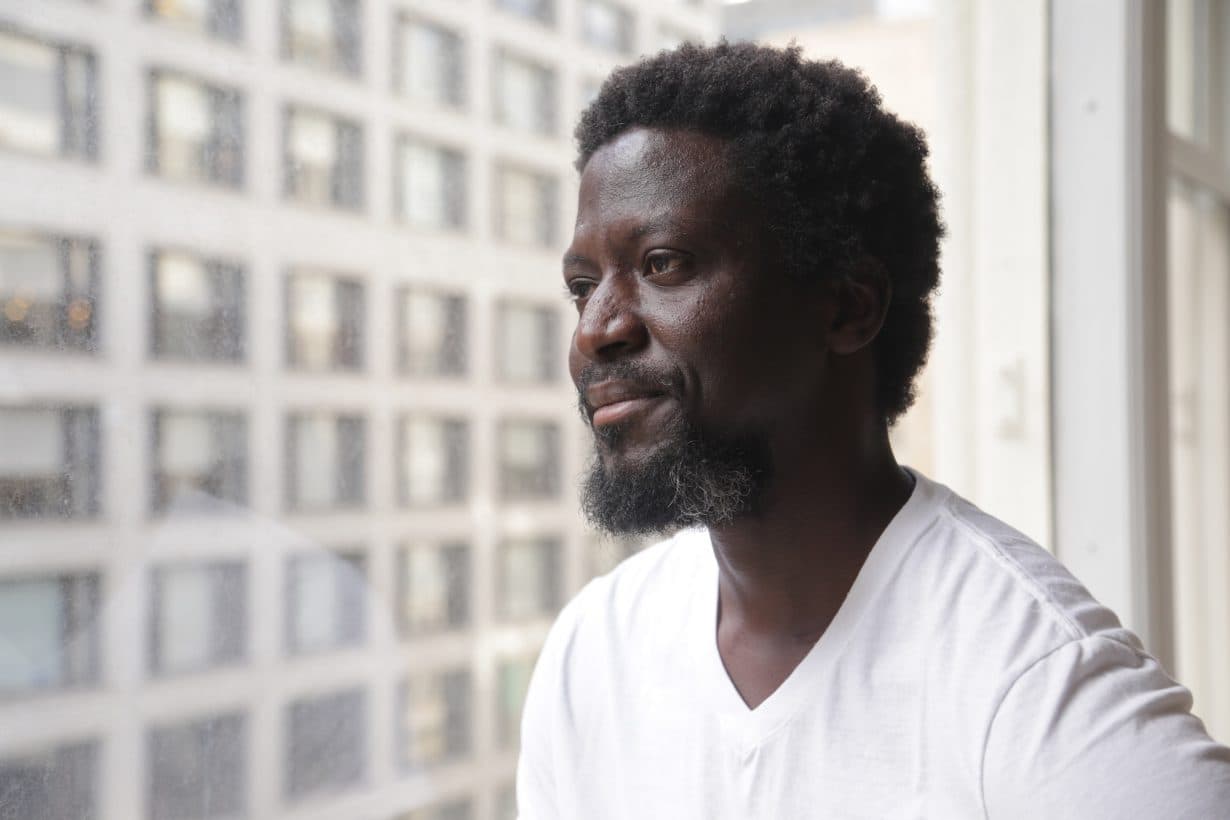
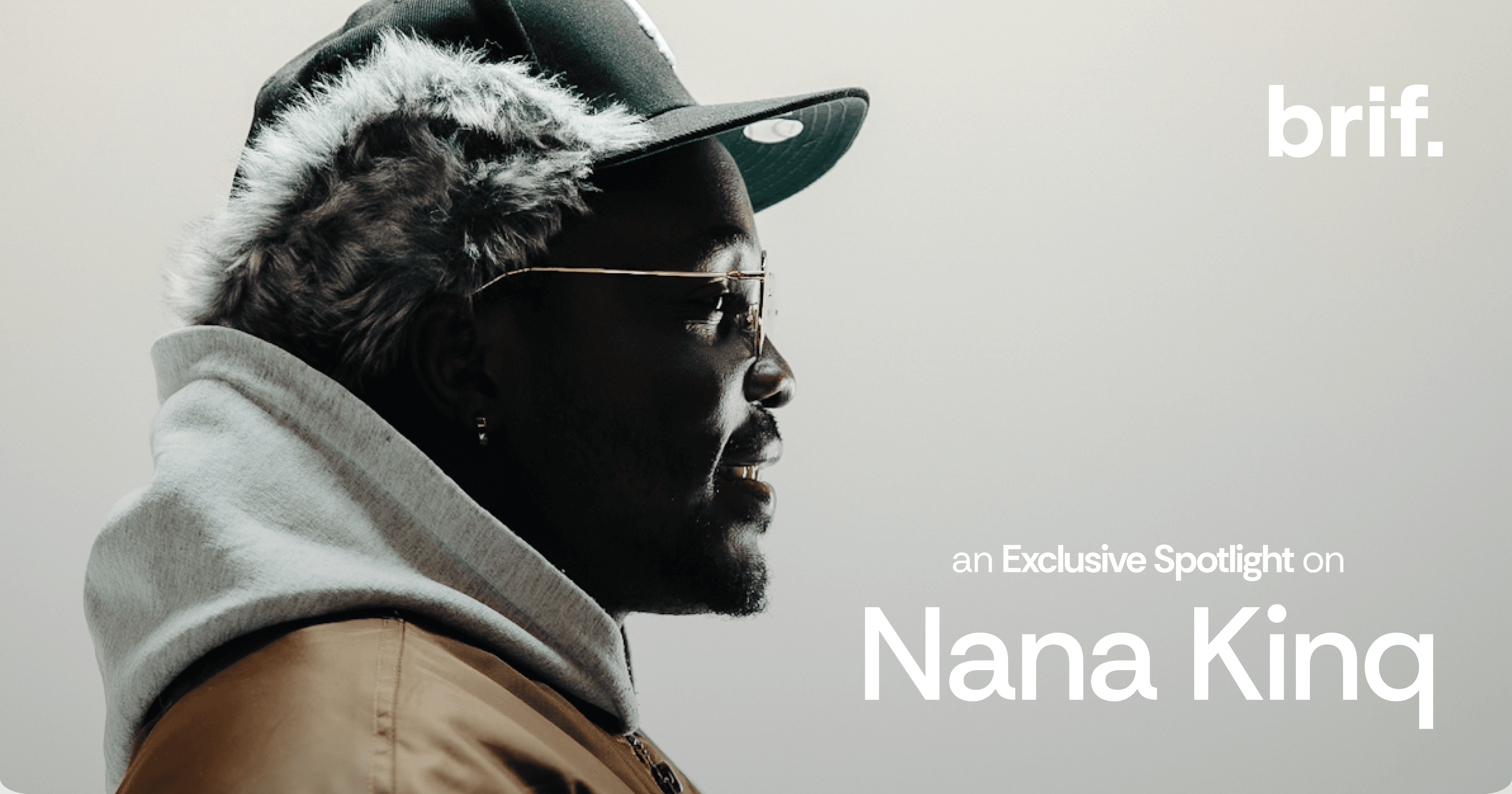
Nana Kinq is a London-based photographer and visual creative whose work spans music, sport, and contemporary culture, capturing real moments with a cinematic and culturally grounded feel.
Shaped by both his Ghanaian heritage and London’s creative scene, he brings a strong cross-cultural perspective, creating visuals that balance documentary intimacy with the scale of major campaigns, all rooted in authenticity and proximity.
But beyond the global campaigns and cultural placements, there is a deeper layer to his practice. In this conversation, Nana Kinq unpacks the thinking that allows his work to move across cultures.
Q1. Your work moves in global spaces like London; what were the key moments that shifted your mindset from creating locally to thinking globally?
My shift from thinking locally to globally didn’t come from where I was based, it came from where the work started to land.
The first real turning point was shooting a project that ended up on Arsenal F.C.’s main platforms. That changed how I saw my work. It wasn’t just content anymore, it was something that could live on global channels and represent a brand at scale.
Projects like the Timberland 50th anniversary campaign and Timberland x Balamii pushed that further, especially on the business side. I started to understand how brand alignment, storytelling, and execution needed to operate at a higher standard, not just creatively but strategically.
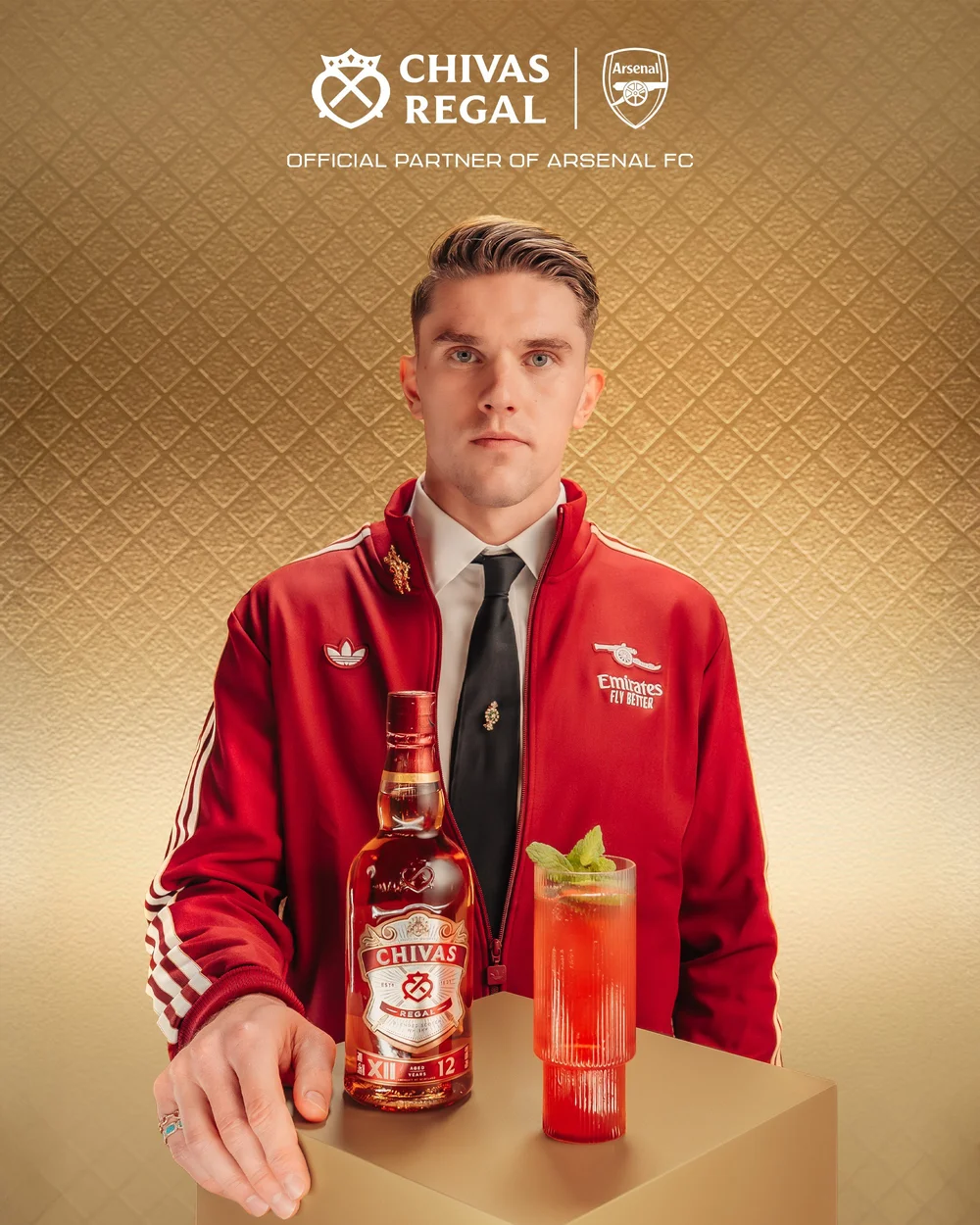
From a creative perspective, the Arsenal x Chivas winter campaign was another shift. It made me more intentional about how I build narratives that can translate across different audiences and markets.
Working with international brands forced me to refine my taste, my attention to detail, and my decision-making. You start to realise that global work isn’t about location, it’s about consistency, clarity, and how well your work communicates across cultures.
Q2. Music videos, styling, and visual storytelling. How do you build global relevance and recognition when you’re not always the one in front of the camera?
I’m not in front of the camera, so the work has to carry my identity. For me, that comes through in clarity, precision, delivery and how I frame subjects. There’s a sharpness in my images that makes the subject feel intentional and elevated, and that consistency becomes recognisable over time.
Beyond the visual, global relevance comes from association and positioning. Being part of campaigns like Arsenal x Chivas, Timberland x Balamii, and Nike Shox activations, Meta Festival places my work in environments that already have international visibility.
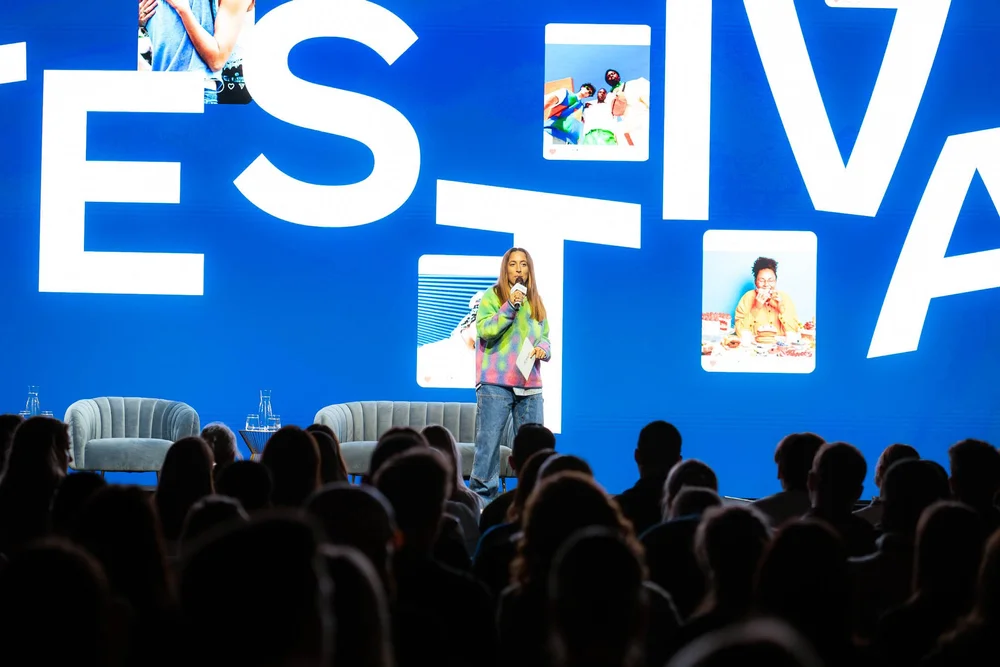
I’ve also been intentional about collaborating with talent who have global reach. Working with artists like Burna Boy, Sarkodie and athletes like Mohammed Kudus extends the life of the work beyond the shoot itself. Their platforms carry the visuals into different markets and audiences.
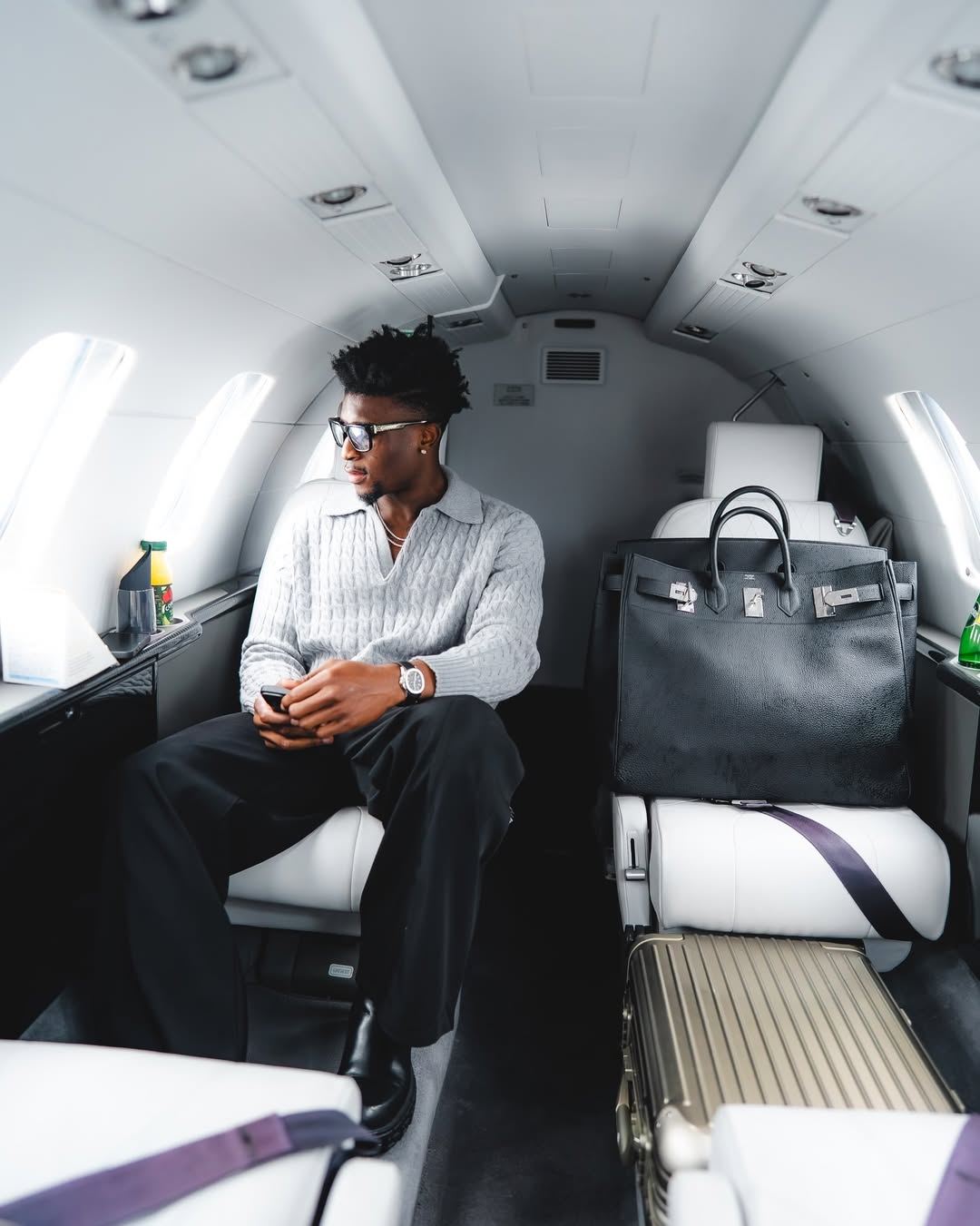
At that point, it’s no longer about being seen personally, it’s about making sure the work is strong enough, consistent enough, and placed in the right spaces so it speaks for you at scale.
Q3. Have you ever felt pressure to adjust your style to fit international expectations? How do you protect your creative identity while still evolving?
I haven’t had extreme situations where I’ve had to completely abandon my style, but there’s always a level of pressure to align with client expectations, especially on larger campaigns.
Working closely with teams like False 9 has pushed me in that respect. There’s a constant balance between maintaining your creative perspective and delivering what the client needs. That process has forced me to become more flexible without losing control of the outcome.
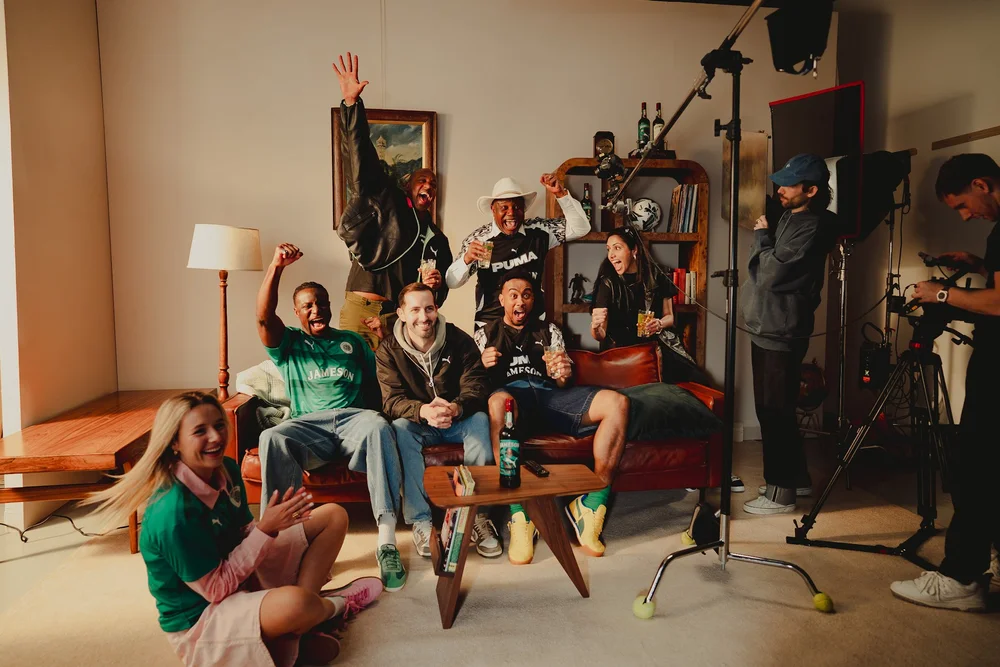
Instead of pushing back directly, I focus on offering alternatives. I explain my thinking, show different options, and let the strength of the work guide the decision. That keeps the process collaborative rather than confrontational.
For me, protecting my creative identity comes down to decision-making. Every adjustment is measured against the original vision. If a change strengthens the final outcome, it stays. If it weakens it, I find a way to redirect it.
That balance between adaptability and control is what allows the work to evolve without losing its core identity.
Q4. At what point did you start to feel like a ‘global talent’, or does it still feel like you’re in the process of becoming?
I don’t think there’s a single moment where you arrive and say you’re a global talent. It’s more a series of shifts.
Shooting with Arsenal F.C. was definitely one of those moments. It changed how I saw my own trajectory. Growing up, being in that environment felt out of reach, so to contribute creatively at that level made things feel more tangible.
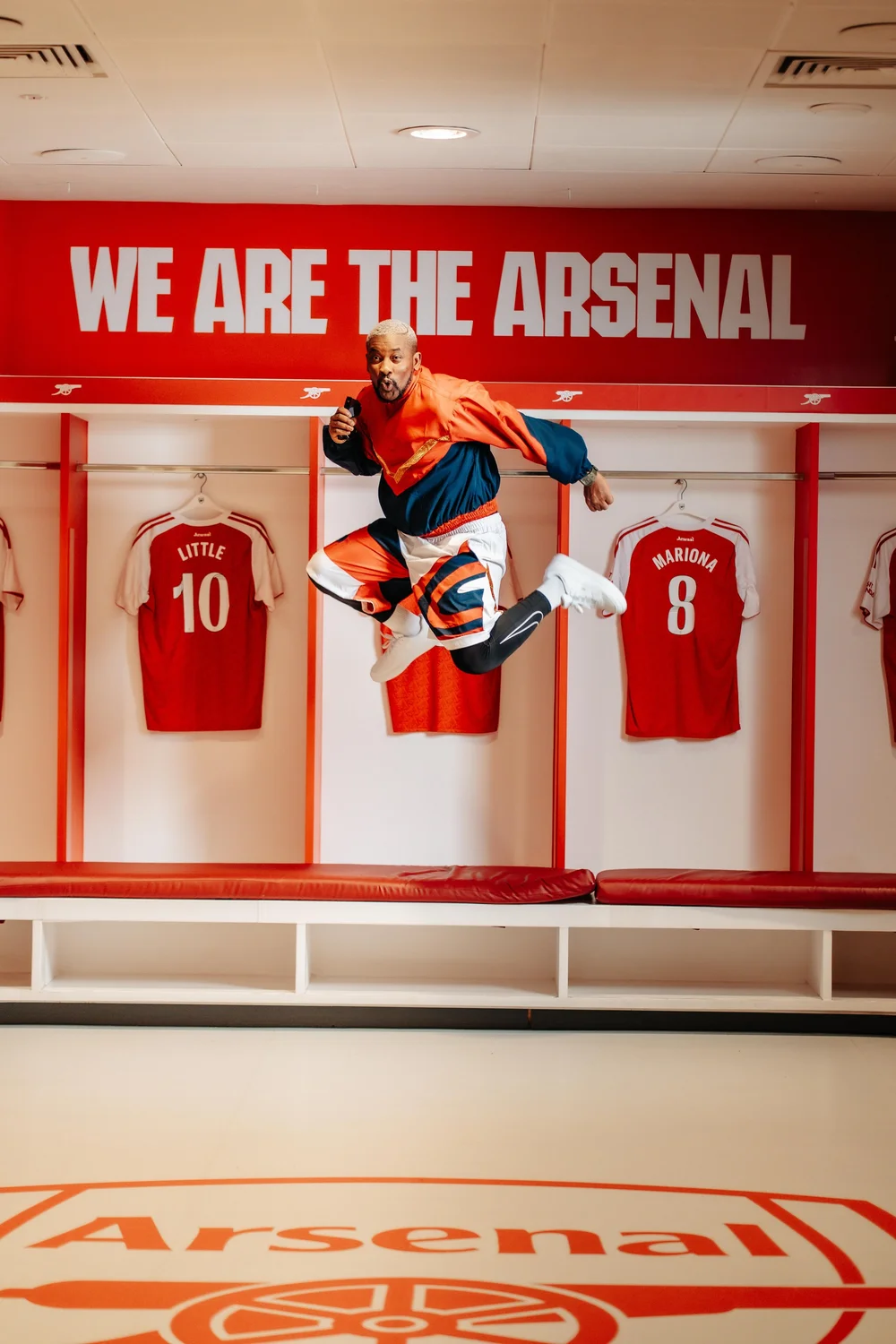
It also changed how others perceive my work. When people see those kinds of projects in your portfolio, there’s an immediate shift in trust and expectation. It opens doors and places you in different conversations.
That said, I still see myself in the process. The foundation is there, but the focus now is on building consistency at that level and making sure the work continues to grow across different markets and industries.
African creatives are no longer asking for entry into global spaces. They are building work that belongs there, work that carries context, identity, and intention without dilution.
Nana Kinq represents that shift in motion. Not as a finished product, but as a continuous process of refining, positioning, and expanding what the work can hold.
Because in the end, it is not about arriving on the global stage.
It is about shaping it.
Visit Nana Kinq Portfolio at https://www.greatkins.com/
Nana Kinq's Instagram: https://www.instagram.com/nanakinq/