
In November of last year, six young women died at El-Wak Stadium in Accra. They had paid for their recruitment forms. They had queued in the heat. They had done everything the system asked of them. The Ghana Armed Forces recruitment exercise drew such a desperate crowd that when the gates opened, the surge could not be controlled. Six people who had come looking for a future did not go home.
That image, young Ghanaians crushed in the act of reaching for a government job, is the floor on which everything else about Workers’ Day 2026 rests.
This year’s May Day celebration carries a theme chosen by organised labour: “Pivoting to Growth, Jobs and Sustainable Livelihoods Beyond Macroeconomic Stability.” Read it carefully. Ghana’s trade unions did not pick that phrase because they are satisfied. They picked it because the macroeconomic numbers look spectacular, and the lives of working Ghanaians have not felt it.
The macro story is real. The recovery just hasn’t reached the people who were supposed to benefit from it.
The numbers are genuinely remarkable. Headline inflation fell to 3.3 percent in February 2026, the lowest reading since August 1999 and the fourteenth consecutive month of declining prices, according to the Ghana Statistical Service. The Bank of Ghana has cut its benchmark policy rate by a cumulative 1,600 basis points since its September 2023 peak, bringing it to 14 percent. The cedi appreciated roughly 29 percent against the dollar over the past twelve months, making it one of the world’s best-performing currencies in that period. Real GDP grew 6 percent in 2025. The Ghana Stock Exchange became Africa’s best-performing major equity market this year. International reserves stand at $14.5 billion.
These are not small achievements. Three years ago, Ghana was in fiscal crisis, inflation was above 50 percent, and the cedi was in freefall. The recovery has been real and, by most headline measures, impressive. And yet...
The Transmission Problem
The Ghana Statistical Service’s Quarterly Labour Force Survey for the first three quarters of 2025 contains a figure that should stop everyone mid-celebration. Youth unemployment for Ghanaians aged 15 to 24 averaged 32.5 percent over that period. In Greater Accra (Ghana's capital city), the number climbed to 49.3 percent in the third quarter. In the city that hosts the country’s technology hubs, innovation centres, co-working spaces, and every institution Ghana has built to lead a digital economy, nearly one in two young people could not find work.
Approximately 1.34 million young Ghanaians, about one in five in that age group, were classified as Not in Education, Employment, or Training. Not building. Not learning. Not earning. Waiting.
More than two-thirds of all employed Ghanaians, the same survey found, were in what economists call vulnerable employment: self-employed without employees, or contributing to a family business, with no formal contract, no income security, and no access to social protection. These are people who are counted as employed but whose livelihoods sit one bad week away from collapse.
The Bank of Ghana has a phrase for what happens when monetary policy changes take time to move through an economy into the lives of ordinary people. They call it the transmission mechanism. In Ghana’s Q1 2026 economic outlook, analysts noted that monetary easing has been substantial, but transmission remains slow. The healing of the headline numbers has not yet reached the capillaries.
That is what May Day 2026 is really about. Not whether the recovery happened, but who it recovered for.
Seven Days Before May Day
On April 24, 2026, exactly one week before Workers’ Day, Ghana's President, John Dramani Mahama, stood in Accra and launched Ghana’s National Artificial Intelligence Strategy. The investment behind it: $270 million. The ambition: to make Ghana an AI-enabled society by 2035 and a leading hub for artificial intelligence in West Africa and across the continent.
The strategy is built around eight pillars, including AI education, youth employment, and digital infrastructure. A $250 million national AI computing centre is planned. A Responsible AI Office will be established. Ghana currently ranks sixth in Africa on the Global AI Index.
President Mahama was direct about the intent. “Ghana will not be a passive consumer of technologies shaping the future,” he said, “but an active participant in designing, governing and deploying them for national transformation.” It was the language of a country that believes it can lead.
A $270 million AI strategy. A 49.3 percent youth unemployment rate in the city where it will be built. Both things are true at once.
The tension is not a contradiction, exactly. A ten-year strategy and a quarterly labour survey are measuring different things across different timelines. The AI strategy is a blueprint for 2035; the unemployment figures describe 2025. Governments have to build the future and manage the present simultaneously, and doing one well does not mean you are failing at the other.
But the proximity is uncomfortable in a specific way. The young Ghanaian who cannot find a job in Accra today is the same person the AI strategy is supposed to lift. The gap between the aspiration and the current reality is not just a policy gap. It is a human one.
The Builders Who Didn’t Wait
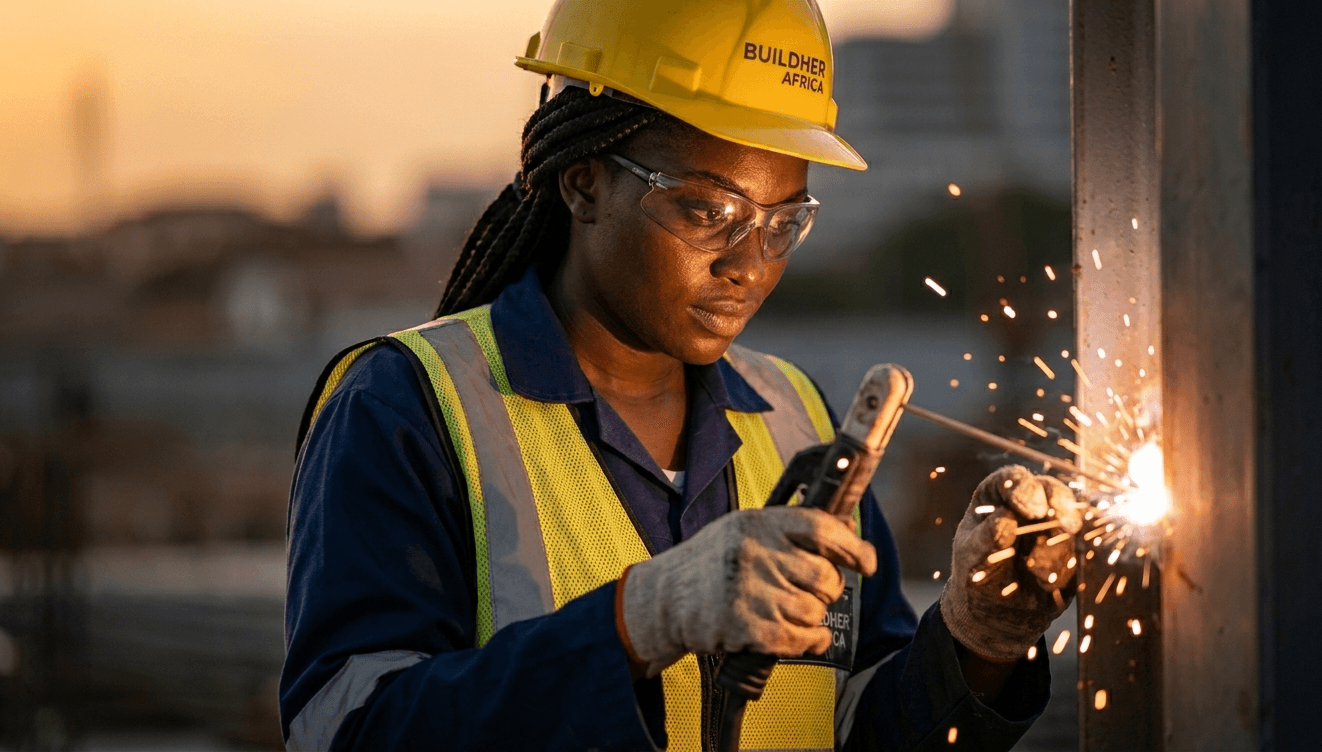
Here is the thing that tends to get lost in the data: a significant number of young Ghanaians did not wait for the formal economy to open its doors. They built their own.
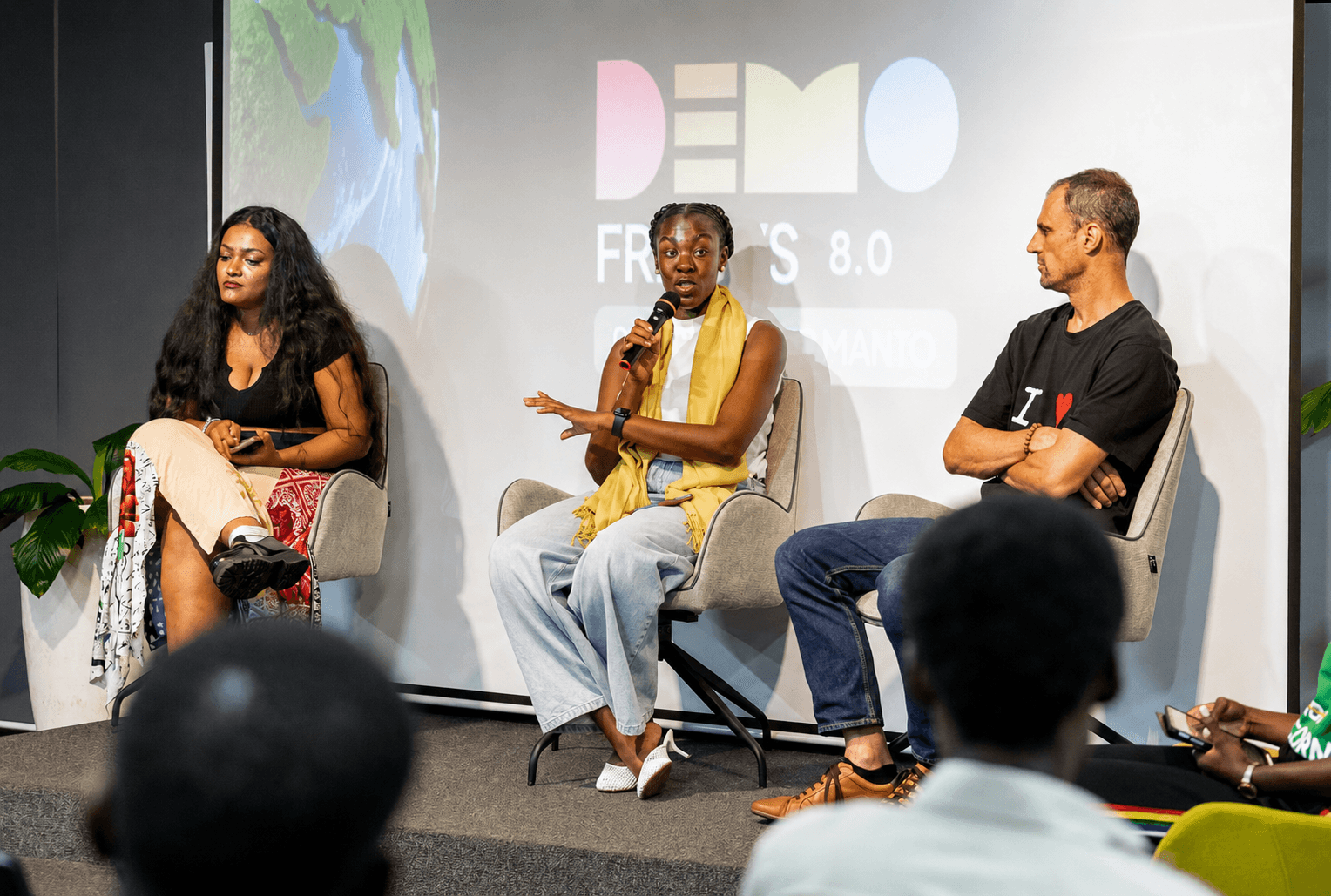
Across Accra, young founders are running fintech platforms, agritech startups, health technology companies, and digital media businesses. Ghana now has over 4,700 active startups, according to ecosystem tracking data. The UNICEF StartUp Lab welcomed its fifth cohort of Ghanaian tech entrepreneurs in 2025, specifically focused on social impact technology addressing real community challenges. AyaHQ is building a Web3 talent and incubation infrastructure. The Kosmos Innovation Center expanded its agritech footprint beyond Accra with a new centre of excellence in Ejisu. Fidelity Bank deployed capital specifically for youth-led SMEs at below-market interest rates.
These builders are not waiting for a government programme to tell them where to go. They are not in the unemployment statistics, though many of them are in the vulnerable employment data, self-employed, unprotected, building something fragile but real.
This is the part of the Ghanaian economy that the headline GDP figure and the stock exchange rally do not fully capture. It is also the part that the AI strategy, if it delivers, could most meaningfully serve. Access to computing infrastructure. Better internet. A legal and regulatory environment that makes it easier to build and scale. These are the inputs that could turn hustle into an enterprise.
What This Means to The Builders
The recovery has created a specific set of conditions that matter if you are building or deploying capital in Ghana right now, and those conditions will not hold indefinitely.
A Cedi, which has appreciated 29 percent against the dollar, means that cloud infrastructure, imported hardware, and dollar-denominated SaaS tools are meaningfully cheaper in local currency than they were eighteen months ago. For founders who were burning through runway on foreign-currency expenses during the crisis years, the cost structure of building has changed. This is not permanent. It is a window, and windows close.
The rate environment tells a similar story. At 14 percent, the Bank of Ghana's policy rate remains high by pre-crisis standards, but the direction of travel is clear and unfinished. Debt capital that was effectively inaccessible to young companies two years ago is starting to move. The startups that can show consistent revenue today will face a materially different credit environment by mid-2027. The ones that build that track record now will be first in line.
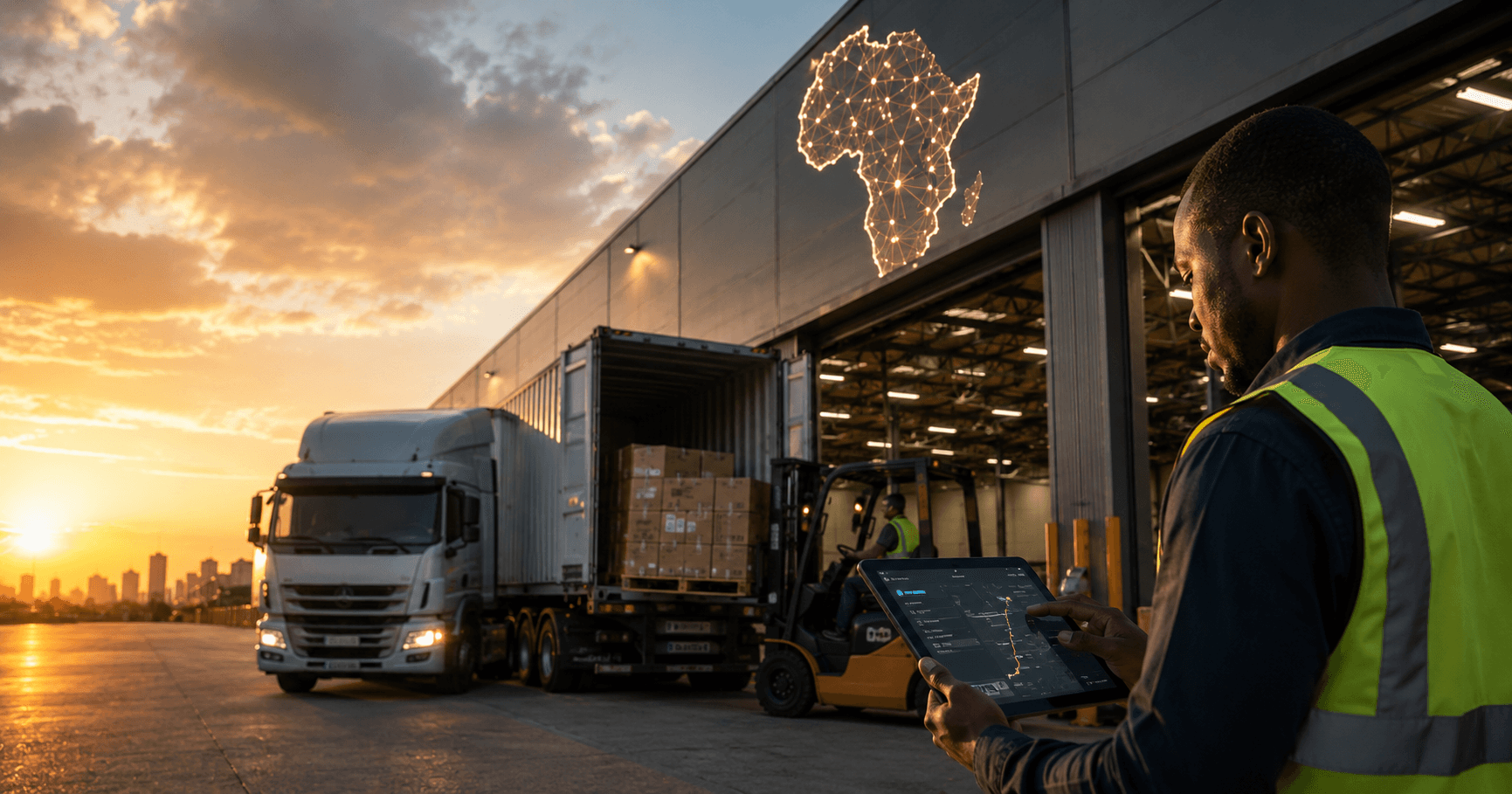
The $270 million AI strategy is worth reading carefully, not as a technology programme, but as a government co-investment signal. When a state commits $250 million to computing infrastructure, the relevant question for private capital is not whether the government will deliver on its own timeline. It is which private opportunities become viable once that infrastructure exists. AI-adjacent tooling, skills verification platforms, and enterprise software built for Ghanaian industries are all more interesting businesses if compute access genuinely expands. Track the procurement timelines. That is where intent becomes reality.
For builders, the clearest near-term opportunity sits exactly where the macro numbers are most uncomfortable. Two-thirds of employed Ghanaians have no formal contract, no income security, and no access to credit through traditional channels. That is not a social problem waiting for government intervention. It is a product gap, one that the macroeconomic recovery has made fractionally easier to address, because input costs have fallen, lending conditions are loosening, and the regulatory environment is more stable than it has been in years. The builder working on microinsurance for market traders, invoice financing for informal suppliers, or savings infrastructure for gig workers is not building against the odds. They are building into the largest underserved market in the country.
The 49.3 percent youth unemployment figure in Greater Accra is also a talent signal that builders should not overlook. There is a large, motivated, increasingly tech-literate labour pool actively seeking entry points into the formal economy. Founders who structure meaningful early-career roles, not internships, not stipends, but real work with real ownership, will find the cost of building a strong team lower than it has been in years.
For investors, the question has moved on from whether Ghana turned a corner. It has. The question now is transmission speed: how quickly does the recovery reach the builders already working in the informal-to-formal transition zone, and who has positioned capital to capture that moment. Early-stage fintech, agritech, and health technology companies that are already revenue-generating and distribution-tested, not pre-product, not pre-market-fit, but the ventures that survived the crisis and are now ready to scale, represent the sharpest opportunity. They are the proof that the building never stopped. The macro tailwind is what they have been waiting for. Watch the policy rate. Watch SME credit penetration. Watch whether the AI strategy's computing infrastructure materialises on schedule. These are the leading indicators that will tell you how fast the transmission gap is actually closing, and whether the builders who didn't wait are about to get the environment they deserve.
What Workers’ Day Actually Means in 2026
May Day was invented for the organised worker. The eight-hour workday. The union contract. The right to collective bargaining. These are real and hard-won things, and they remain worth protecting.
But in Ghana in 2026, the majority of working people are not organised workers in the traditional sense. They are informal traders, self-employed artisans, freelance developers, family farm workers, and young founders running companies out of co-working spaces in Osu and East Legon. The language of organised labour addresses a formal employment relationship that most Ghanaians do not have.
This is not a failure of the labour movement. It is a structural reality of an economy in which the informal sector has always been the primary employer and in which a generation of young people, faced with a formal economy that cannot absorb them, decided to create their own category.
When organised labour chose the theme “Pivoting to Growth, Jobs and Sustainable Livelihoods Beyond Macroeconomic Stability,” they were making a demand on behalf of this broader group: the stabilisation is done. Now show us the jobs. Real ones, not just the recovery of a stock index that most working Ghanaians have no access to.
The stabilisation is done. Now show us the jobs.
The AI strategy is the government’s answer to that demand. Whether $270 million and a ten-year roadmap can reach a 23-year-old developer in Accra who cannot find a job, or a young woman in Koforidua who would queue for hours to secure entry to an opportunity, any opportunity, that is the test.
The macro numbers are not the story. The macro numbers are the prologue. Workers’ Day 2026 is about what comes next.
DATA SOURCES
Ghana Statistical Service, Quarterly Labour Force Survey Q1–Q3 2025 • Bank of Ghana, 129th Monetary Policy Committee Report, March 2026 • Ghana Statistical Service, Consumer Price Index, February & March 2026 • Ministry of Communication, Digital Technology and Innovation, National AI Strategy Launch, April 24, 2026 • Ghana Chamber of Mines, Gold Output Data 2025 • Ghana Stock Exchange, GSE-CI Index Data, March 2026 • Ministry of Finance, Primary Fiscal Balance Data, Q1 2026