

In a country where an estimated 60% of startups in Accra fail within their first five years, scaling an enterprise is no small feat. Yet, Celia and Peter, the founders of Bonobo Concept Store, have managed to defy the odds and build a flourishing furniture business right here in Ghana.
It all started in 2018. Both Celia and Peter were balancing demanding full-time jobs when they noticed a glaring gap in the market: finding high-quality, locally-made furniture that didn't break the bank was nearly impossible. Unwilling to settle, they decided to take matters into their own hands. Armed with simple sketches and dimensions, they approached roadside artisans to produce the pieces they envisioned.
While the initial results were promising, relying solely on local artisans brought significant challenges, particularly when it came to maintaining consistent quality and scaling up. Realizing they needed a more structured and professional approach, the duo conceptualized a brand identity, coined the name "Bonobo Concept Store," and took their venture to Instagram. The digital visibility paid off, validating the demand for their bespoke pieces.
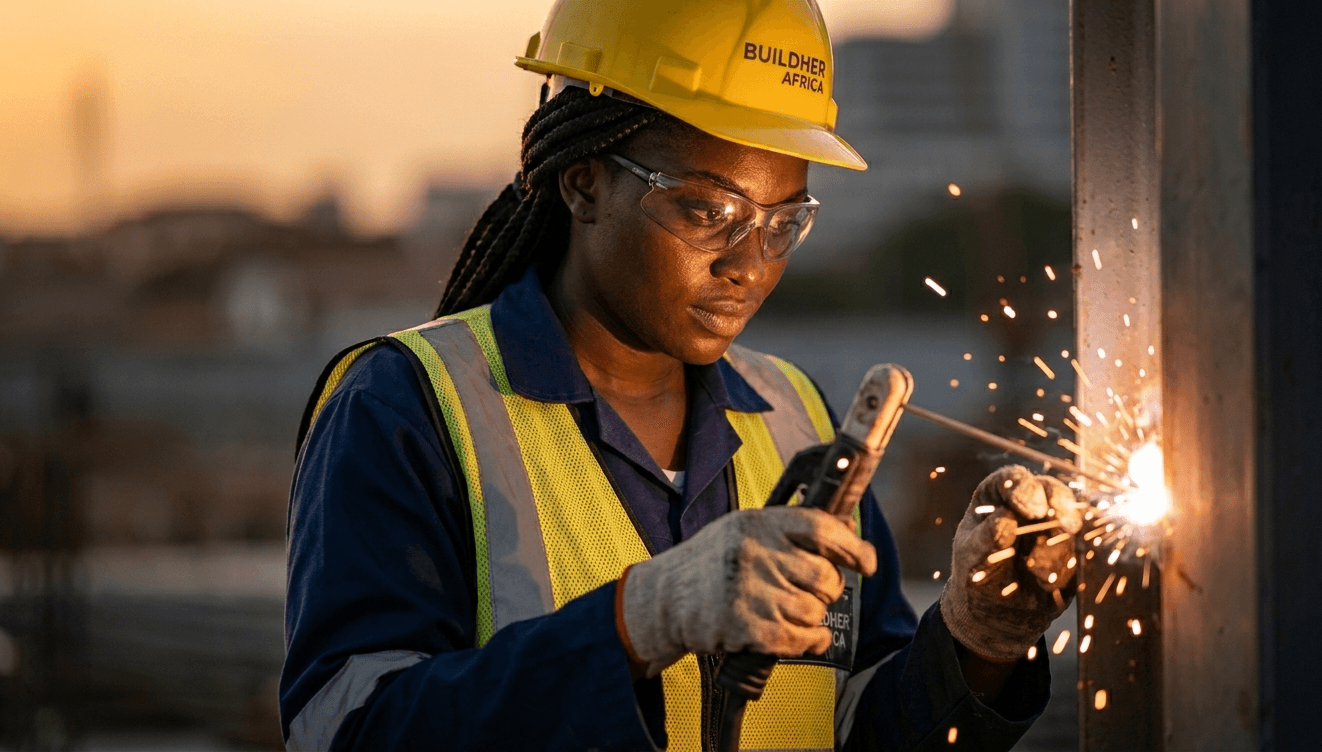
With growing interest, they took a bold step and hired their first employee—a welder who worked right out of their backyard. For three grueling years, Celia and Peter ran Bonobo as a demanding side hustle. They would finish their day jobs, return home to inspect the day's craftsmanship, and spend their evenings and weekends making deliveries to clients.
The turning point arrived when Bonobo secured its first major order. The sheer volume of work demanded full-time attention, prompting Peter to resign from his job to manage the expanding operations while Celia continued to support the business alongside her corporate role. Having a founder on the ground full-time transformed their production efficiency.
As the business outgrew their backyard, the search for a larger workspace began—a daunting nine-month hunt for legitimate land. Eventually, they found their current home in Nungua, Ghana. Over the past two years, they have transformed the property, setting up an office and showroom in the main house while constructing a massive workshop on the expansive land out back.
Today, Bonobo Concept Store boasts a dedicated team of 20 employees, including carpenters, welders, sprayers, and their first female artisan who specializes in upholstery. As a net import country, Ghana often relies on foreign furniture, but Celia and Peter are proving that the local industry has the human and material resources to produce heirloom-quality pieces that rival any import.
Watch the full interview here: