
Every builder in Accra knows the form. Forty questions on a Google Form, dropped into three WhatsApp groups on a Tuesday night with a polite paragraph on top. "Kindly spare 5 minutes to help shape something we're working on." By Friday, fourteen responses. Nine are friends. Two are the co-founder, testing whether the form works.
Then comes the dangerous part, not the silence itself, but what the builder does with it. They read it as data. People don't care. Feedback culture isn't there yet. So they stop asking and start guessing. Six months of building later, they launch into a second silence. This one costs money.
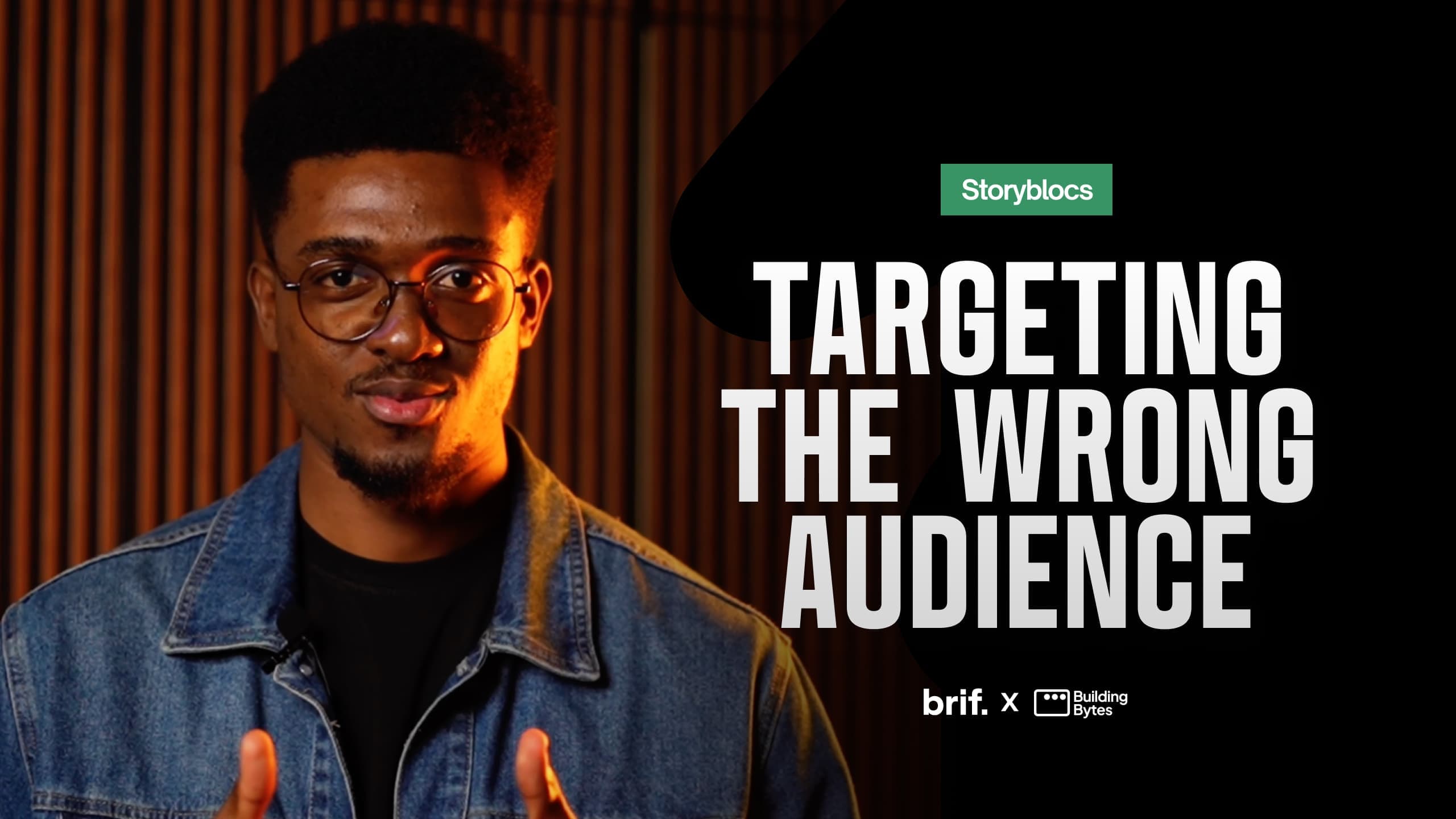
Charles Kodjoe-Peparah has watched this loop run enough times to name what's actually happening. "A lot of people build products without even understanding who their audience are," says the JamPolls co-founder, "or what their audience think, or what their audience care about."
Listen to the diagnosis carefully. He didn't say builders don't want to know their audience. He said they don't understand them. Wanting was never the problem. Asking is what's broken.
Because here's the thing about the generation those builders are trying to reach: they give opinions all day. They rank songs in comment sections. They pick sides in quote-posts. They tap "this or that" stickers between bus stops. Opinion might be the most abundant public resource this generation produces; it just refuses to show up in anything that feels like homework. The forty-question form isn't collecting silence. It's collecting refusal.
That's the gap JamPolls lives in. Not another survey tool, a translation layer. It takes the question a builder desperately needs answered and reshapes it into something people already do for fun: a poll that looks like it belongs in the feed, dressed in GIFs and emojis, answered in one tap, no account needed to vote. Every poll you make lives behind a single shareable link; JamPolls calls it a superlink, and the answers land in live analytics on the other side, updating as the votes come in.
The friction that killed the Google Form doesn't get reduced. It gets deleted.
Who's it for? The creator who wants to know which video idea deserves the shoot before spending the Saturday filming it. The startup that wants proof of demand before writing a line of code. The brand that has finally accepted that young audiences don't want to be marketed to; they want to be asked. Different users, same underlying transaction: an honest answer, cheap and fast, before the expensive decisions get made.
Charles closes the episode with something that sounds almost like a proverb. Anytime you have an idea you want to start, or a community you want to build, start with JamPolls. Start with the question, not the code. Which brings us back to that form with fourteen responses. It was never proof that nobody cared. It was proof that nobody asks like that anymore.
Watch the full Storybloc below.