
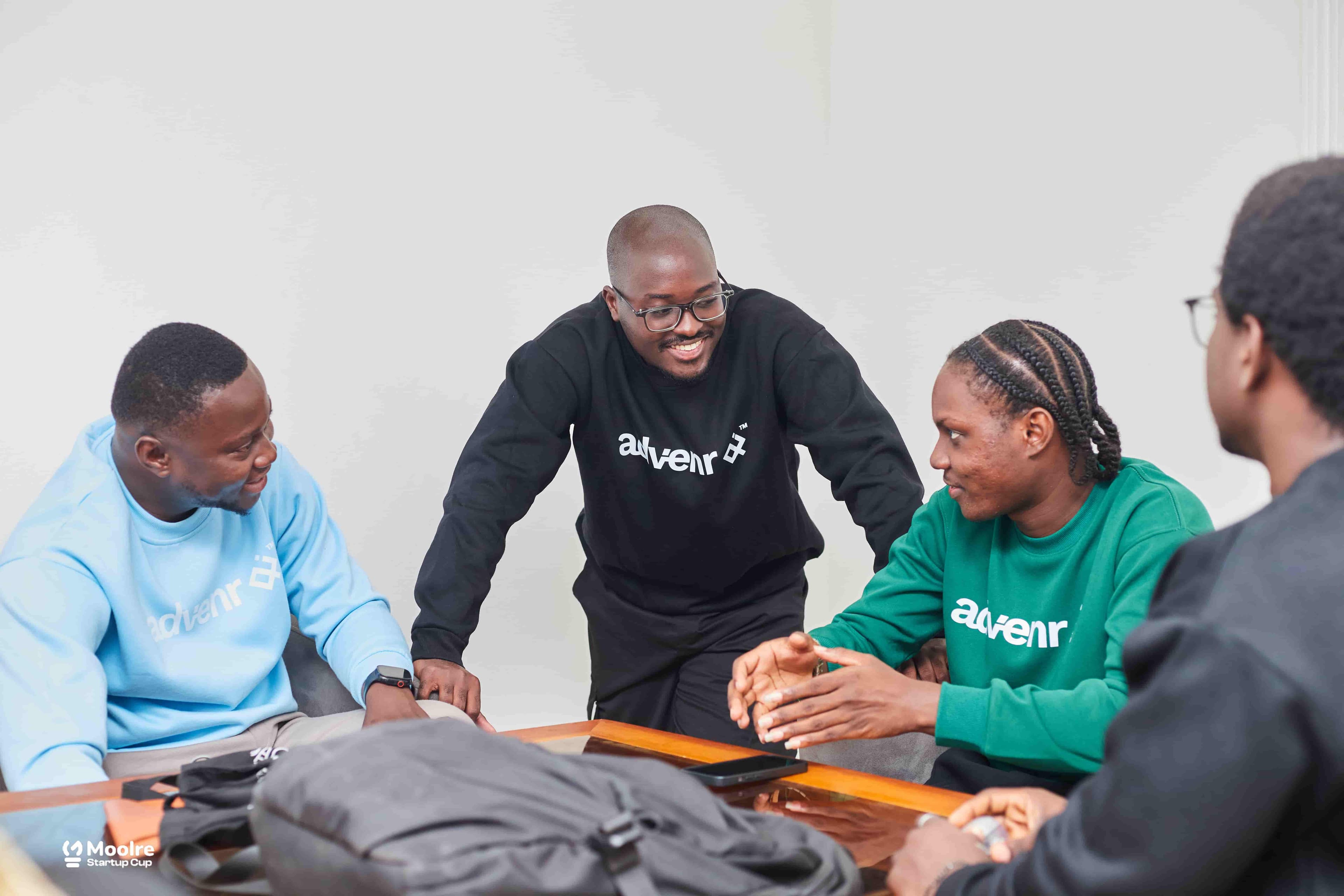
On a Sunday afternoon in 2023, Isaiah Amo Mensah joined a queue at a Kumasi bus terminal at 2PM. He was a software engineer at ShaQ Express at the time, due back at his desk in Accra on Monday morning, and he had planned the journey the way most Ghanaians plan intercity travel: show up, wait, hope.
By 10PM, he was still standing in the same queue. No bus had come. At some point, word filtered through the crowd that the entire fleet had been diverted to ferry mourners to a prominent person's funeral. No announcement, no alternative, no apology. He eventually boarded around 1AM and arrived in Accra at 7AM, too late for work, forced to call his boss and explain why he couldn't make it in on time.
"The worst part wasn't the waiting," he says. "It was that there was absolutely nothing I could have done differently. No way to have known. No system to protect me."
Three years later, that night has become the founding story of Advenr Nexus Technologies, the Accra-based transport tech startup Mensah now leads as founder and CEO, and one of eleven finalists advancing to the live pitch stage of the 2026 Moolre Startup Cup.
A Problem Everyone Endures, Nobody Solves
Advenr's pitch is deceptively simple: bring reservation culture to Ghanaian bus travel. But the problem it addresses runs deeper than inconvenience.
For travelers, intercity bus travel in Ghana has long meant waking up at 4 or 5AM to physically queue at a station, with no way to book ahead, no guaranteed seat, and no fixed departure time. Buses leave when they fill, not when they're scheduled to. You cannot plan your arrival. You cannot tell anyone when to expect you.
For operators, the picture is just as blind. Transport companies wake up each morning with no idea how many passengers are coming. They cannot decide how many buses to deploy, how many drivers to roster, or how much fuel to procure, because they have no advance demand data. The model; run the route, fill the bus, collect cash at the gate, worked for decades, but it was never designed for scale or predictability.
"They weren't solving it," Mensah says of both sides. "They were enduring it. The workaround on both sides was patience. And patience has a limit."
Why has the problem persisted? Mensah points to three forces: a deeply ingrained "just show up" travel culture, historically low technology investment in the transport sector, and a Ghanaian tech ecosystem that has poured attention into fintech, e-commerce and agritech while overlooking transport infrastructure entirely. "We think that's a mistake," he says, "and we're here to correct it."
He's also candid that this is a long game. In his own words, it's a revolution measured in years, not sprints- five years, perhaps a decade, before reservation becomes second nature to Ghanaian travelers. His reference point is telling: when his team built a delivery product in 2022, people questioned why anyone would pay a delivery fee at all. Today, delivery is a default expectation across the country. Culture shifts. Someone has to build ahead of the shift.
What Advenr Actually Does
The product itself is built for speed and zero friction. A traveler visits Advenr, selects a route, picks a departure date and time, and books a seat — from their phone, in under three minutes, with no account required. Payment runs securely through Moolre via mobile money or card, and a digital ticket with a QR code arrives instantly. On travel day, the passenger arrives twenty minutes before departure, scans in, and boards. Meanwhile, the operator has known about the booking in advance and planned buses, drivers, and fuel accordingly.
That no-account decision was hard-won. The first version of Advenr gated everything behind login and profile creation, with a mobile app in parallel development. The team scrapped both. "The goal is to get a traveler from discovery to confirmed booking as fast as possible," Mensah explains. Accounts and app-store downloads slowed that down, so they went fully web-based. He now counts it among the decisions he's most proud of.
The hardest engineering problem was invisible to users, which is exactly the point: real-time seat locking. When multiple travelers browse the same bus simultaneously, the moment one selects a seat, it locks instantly across every other active session via WebSockets — held for ten minutes while details are filled in, extended to fifteen once payment begins, and automatically released if the booking isn't completed. "Getting that timing, that synchronization, and that reliability right was genuinely hard," Mensah says. "But we got it done."
The Moolre Layer
Advenr integrated three Moolre APIs: Collections for traveler payments at checkout, Disbursements for operator settlements, and SMS for automated booking confirmations to travelers and operators alike.
Asked about the integration experience, Mensah is almost dismissive, in the best way. "It was one of the smoother parts of the build. The documentation was clear, the APIs behaved as expected. It just worked, which gave us confidence to focus our energy on the harder problems elsewhere in the product."
The clearest validation came from Advenr's pilot at the University of Cape Coast, where the platform processed real transactions within days of going live. The team had braced for resistance; Ghanaians are used to cash, informal systems, WhatsApp confirmations. Instead, users simply used it. "The demand for a better experience was always there," Mensah reflects. "People just needed someone to build it properly."
The Long Bet
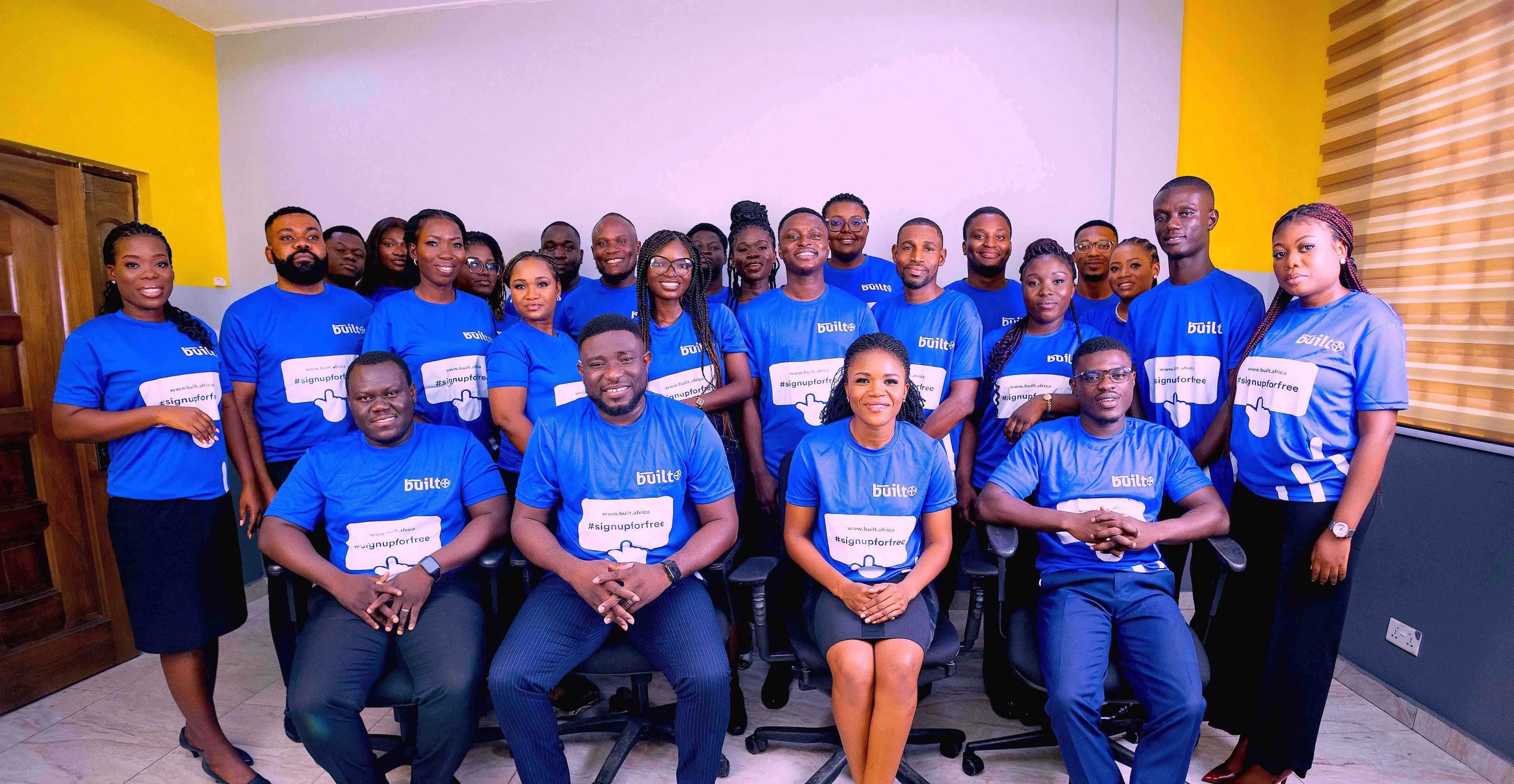
Advenr today is a lean team of nine, four technical founders, including Alexander Asiamah Boakye and Brian Ampomah Newton, alongside two web developers, a designer, a finance officer, and a social media manager, bootstrapping their way through what Mensah freely admits is a culture-change problem as much as a technology one.
The ambition, though, is infrastructure-scale. Mensah envisions a future where Ghana's major transport operators run their entire operations on Advenr's rails, where third-party developers build their own ticketing storefronts on Advenr's APIs, and where an agent network lets everyday Ghanaians earn commission selling tickets — one central reservation layer beneath an open ecosystem. His conviction is sharpened by what happened to Ghana's taxi industry, where foreign ride-hailing platforms arrived first and defined the market. "We're trying to build it before they even come," he says. "So there's already a competitive local infrastructure that's working and solving the problem brilliantly."
It's the same bet he'd place on the continent at large. Asked which African sector will outperform over the next five years, he doesn't hesitate: transport and mobility infrastructure. "Whoever builds the infrastructure layer for how Africa moves is going to build something extraordinary. That's exactly the bet we're making."
And for anyone waiting for perfect conditions before starting? "The builders who move in Ghana right now — with limited resources, real constraints, deep market knowledge — those are the ones who will own the next decade. The constraint is actually the advantage. Don't wait for perfect. Build now."
Advenr pitches live in the final stage of the Moolre Startup Cup, with winners announced at the Grand Finale on August 29, 2026.
Storyblocs is a Brif & Insights Lab production, presented in partnership with the Moolre Startup Cup 2026, a four-month national buildathon spotlighting the builders creating Ghana's next generation of digital solutions on Moolre's financial infrastructure.